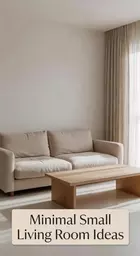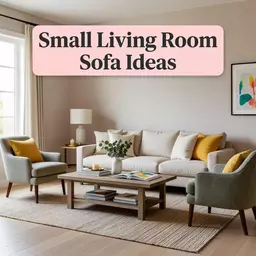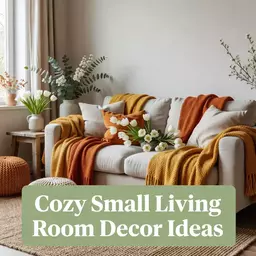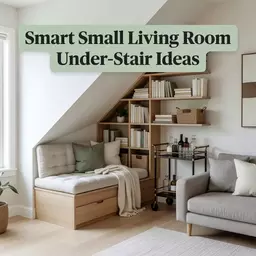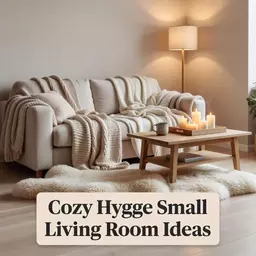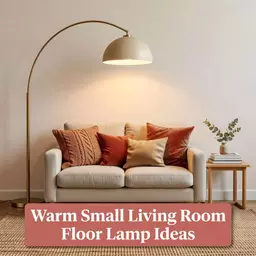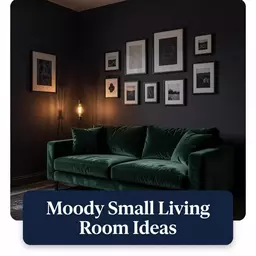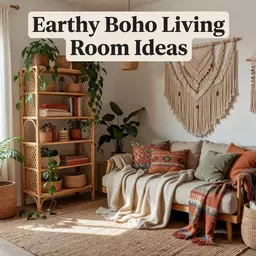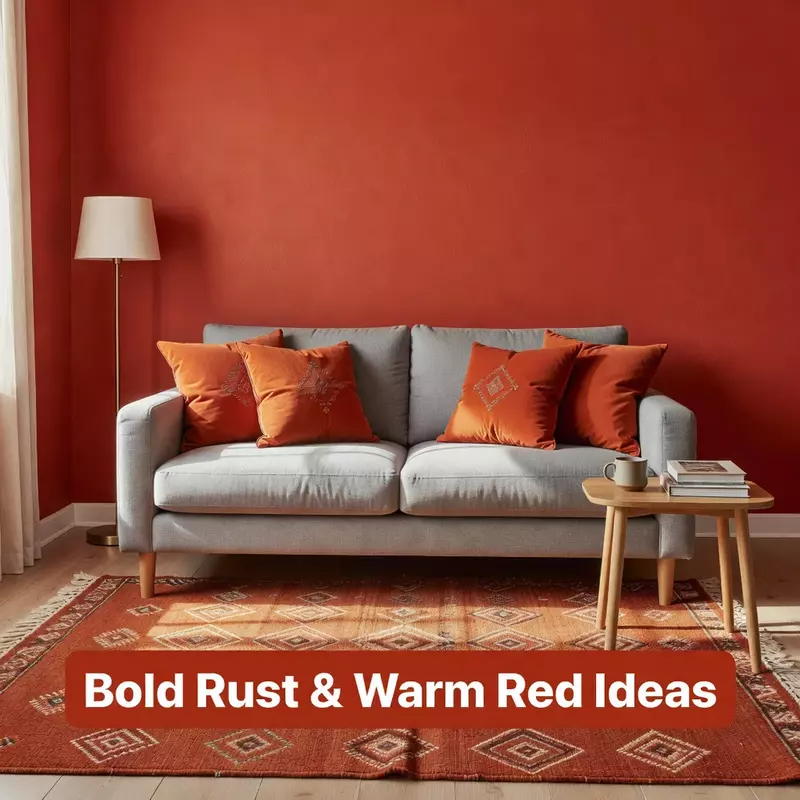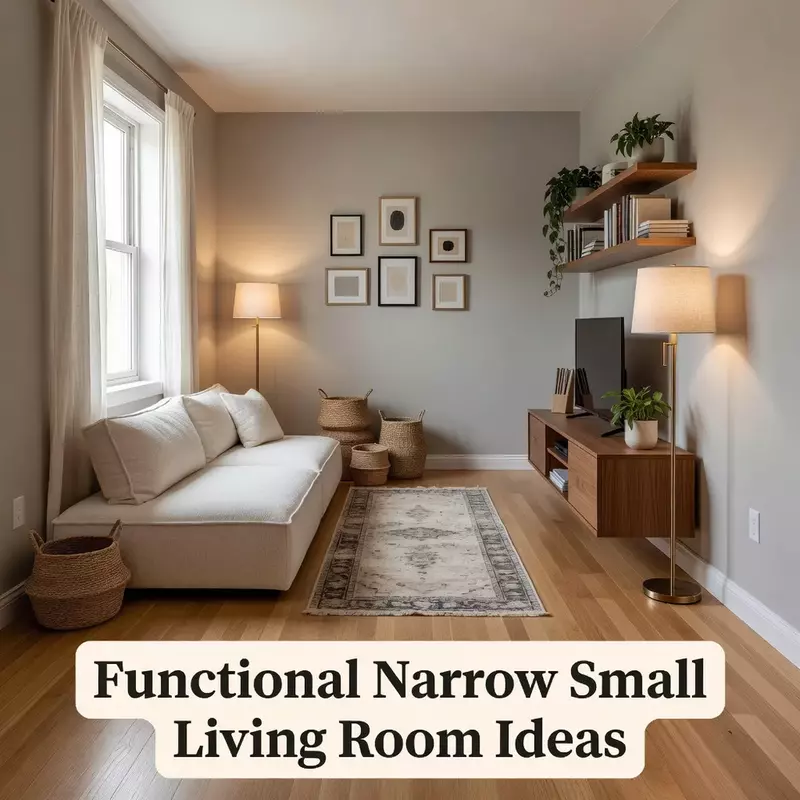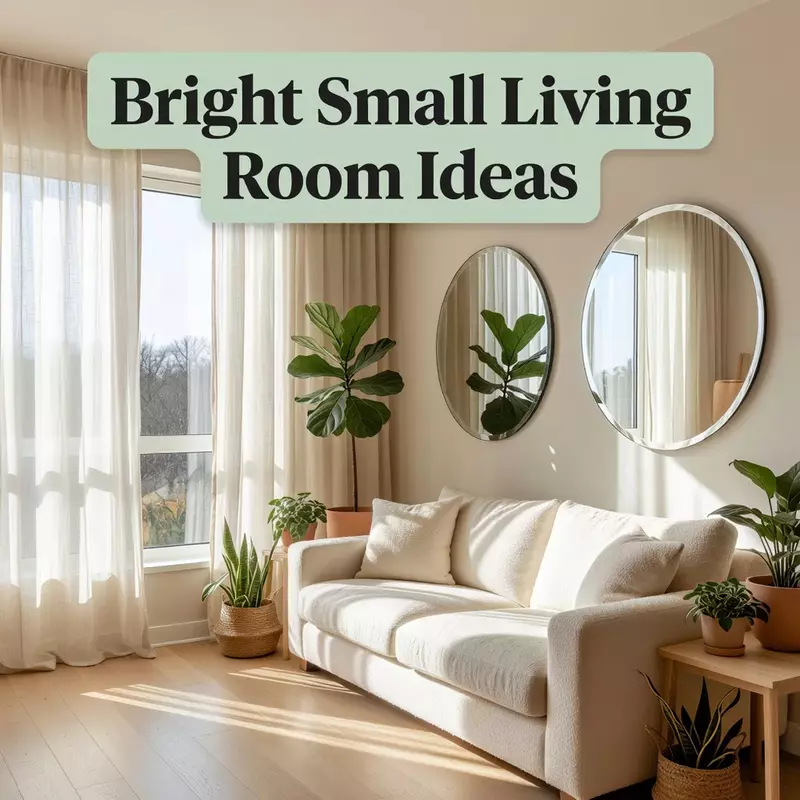
Defining your open-concept small living room can feel daunting when walls are nonexistent. But with a few thoughtful touches, you can create distinct zones that enhance both style and functionality. Here are 7 simple ideas to help you transform your space into a cozy, welcoming haven.
Open-Concept Living Room Area Rug That Defines the Seating Zone from the Kitchen
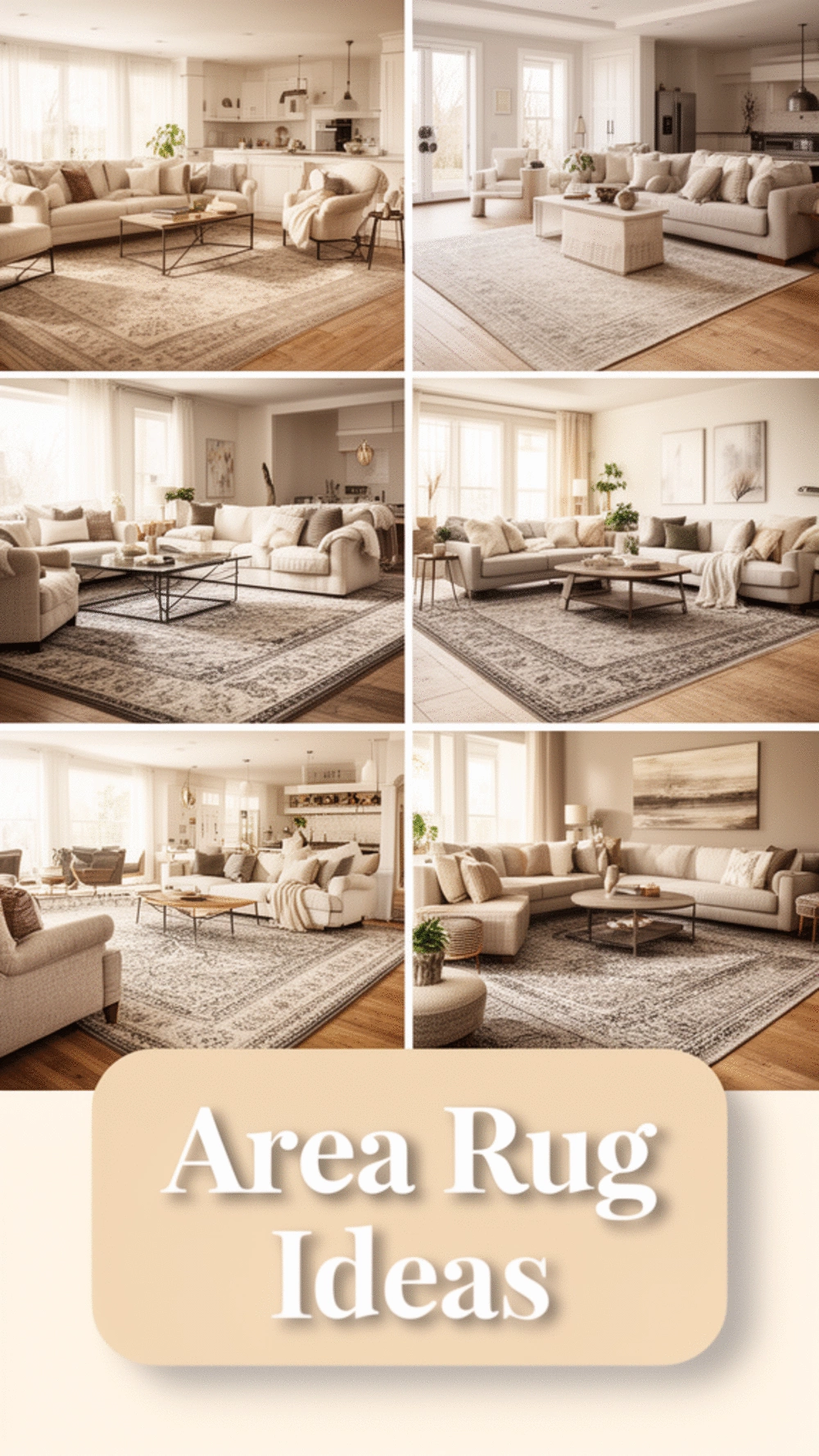
Transform your open space with the perfect area rug!
As an Amazon Associate I earn from qualifying purchases. Affiliate links may earn me a commission at no extra cost to you.
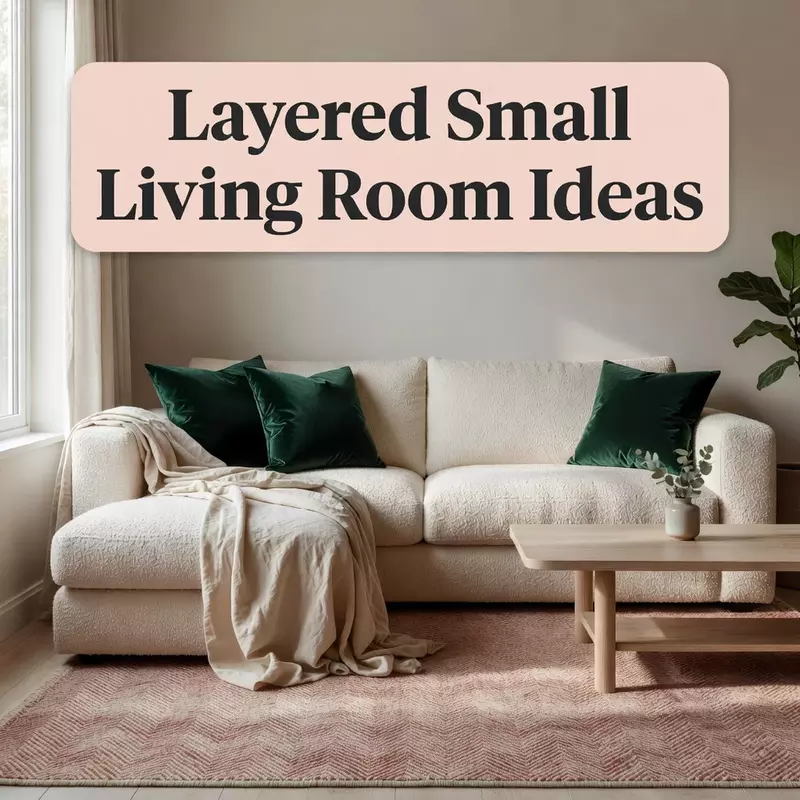
Why an Area Rug Matters in Your Open-Concept Space: A simple area rug can dramatically change the dynamic of your open-concept living room. It serves to define and anchor your seating area, making it feel more intimate while visually separating it from the kitchen. Opt for a rug large enough that the front legs of your furniture rest on it, creating a cohesive look.
What people often overlook is the rug size. Choosing a rug that’s too small can make your seating area feel disconnected and awkward. For instance, a 5x8 rug is typically perfect for defining a small seating arrangement, while a 6x9 or larger is ideal for a more spacious setup. Remember, a well-placed rug can truly enhance the comfort and style of your living area!
- ★Choose an area rug that allows the front legs of your seating to rest on it for better cohesion.
- ★Pick a rug with a non-slip backing to prevent slips and enhance safety in high-traffic areas.
- ★Avoid rugs that are too small; they can fragment your space visually and disrupt flow.
⭐ Top Products for Modern Area Rugs
✨ Editor's Pick
Washable Area Rug with Floral Medallion
★★★★☆
Our Score: 4.0/5
This washable rug is perfect for easy maintenance and defines your seating area beautifully.
View on Amazon →Soft Boho Area Rug for Living Room
★★★★½
Our Score: 4.5/5
This soft rug adds a stylish touch while making your space feel inviting.
View on Amazon →Ultra Soft Indoor Modern Area Rug
★★★★★
Our Score: 5.0/5
This fluffy rug provides comfort and warmth for your living area.
View on Amazon →💡 Quick Tips:
- Choose a larger rug: Aim for a size that accommodates at least the front legs of your furniture.
- Incorporate color: Select a rug color that complements your decor for a cohesive look.
- Opt for non-slip options: Ensure safety and comfort with a rug that features a non-slip backing.
Our Top Picks for Area Rugs
Editor's Pick:
Washable Area Rug with Floral Medallion
ASIN: B0DGTHNW1Q
Why It's Best: This rug has a 4.0 rating with many reviews, and its washable feature makes it practical for high-traffic areas.
Key Features: Washable, Non-slip rubber backing, Floral design
Perfect For: Households with children or pets needing easy maintenance.
Alternative 1:
Soft Boho Area Rug for Living Room
ASIN: B0F62N5SY5
Differentiation: Offers a more decorative style with soft floral motifs, suitable for those wanting aesthetic appeal.
Key Features: Soft floral motifs, Durable construction, Easy to clean
Perfect For: Anyone looking to add a touch of bohemian style to their living space.
Alternative 2:
Ultra Soft Indoor Modern Area Rug
ASIN: B07T5D3XP9
Differentiation: Focuses on comfort with ultra-soft fabric, ideal for those prioritizing coziness in their living area.
Key Features: Ultra softness, Easy to clean, Non-shedding
Perfect For: Individuals who want a plush feel underfoot for a cozy atmosphere.
Small Open-Plan Living Room Sofa Placement That Creates a Visible Room Boundary
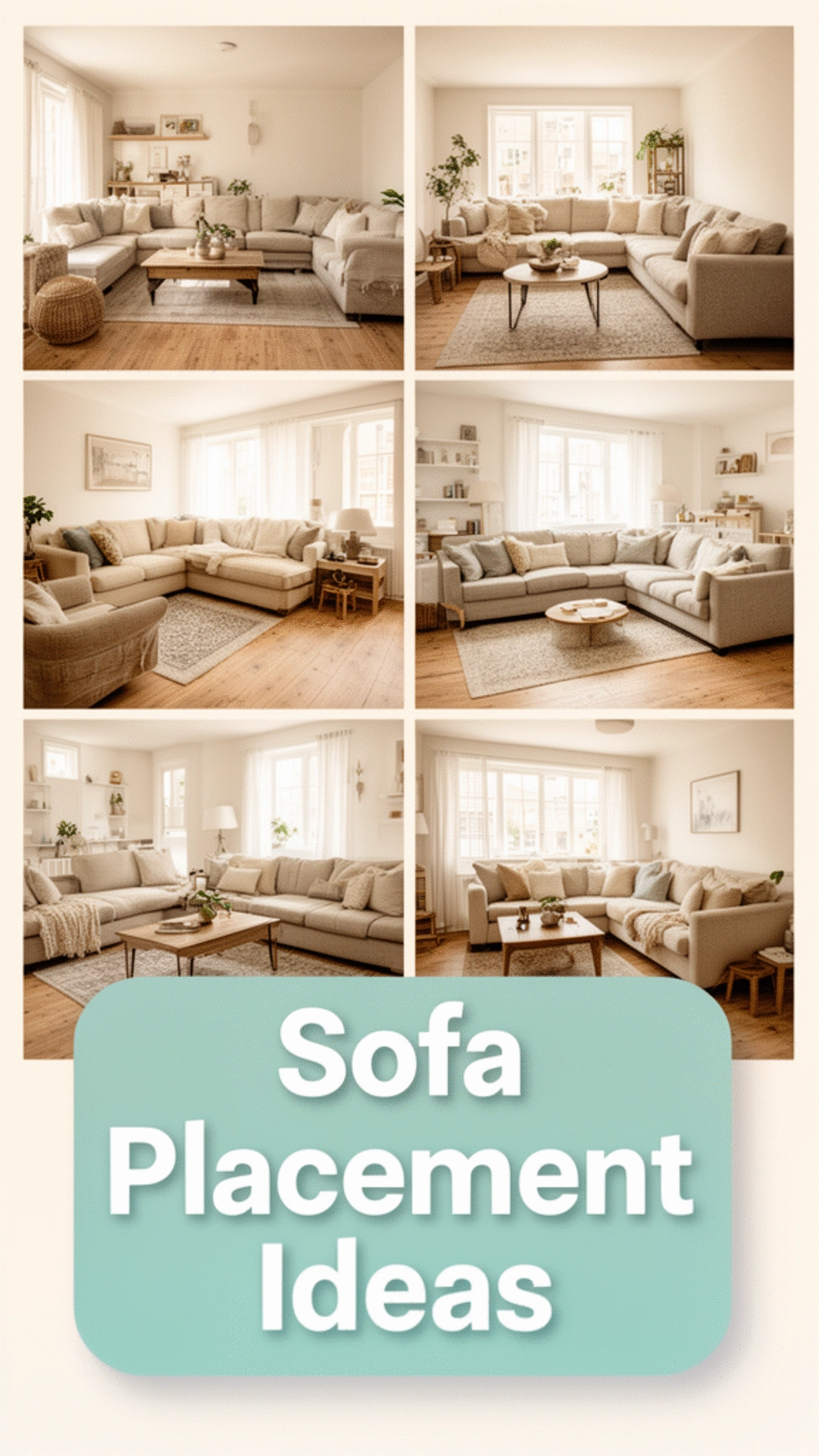
Maximize space while defining your living area with smart sofa placement.
Why Sofa Placement Matters: Are you struggling to position your sofa in a small living area to maximize flow and define space? The right sofa arrangement can create a clear boundary between your living area and adjacent spaces. Consider using a U-shaped or modular sofa to enhance intimacy, making the area feel unified while allowing for easy movement.
Where most people get stuck is in thinking they need to push furniture against the walls to open up the space. This might seem logical, but it can actually make the room feel disjointed. Instead, try bringing your sofa inward to create a cozy vibe and a defined zone, like a living room nook that invites relaxation and conversation.
- ★Position sofas at angles to create a natural flow and sense of space.
- ★Consider a U-shaped modular sofa for flexibility and style in small rooms. Check this editor's pick here!
- ★Avoid crowding the space; ensure ample pathways for movement around furniture.
⭐ Best Sofas for Small Spaces
Compact Loveseat Couch with Linen Covers
★★★★½
Our Score: 4.5/5
This stylish loveseat maximizes space while providing comfort, perfect for small living areas.
View on Amazon →✨ Editor's Pick
U Shaped Modular Sofa with Chaise
★★★★★
Our Score: 5.0/5
This versatile sofa easily rearranges to fit your space, enhancing comfort and style.
View on Amazon →U Shaped Modular Sectional Sofa
★★★★☆
Our Score: 4.0/5
This sectional sofa offers ample seating, fitting well into corners for small spaces.
View on Amazon →💡 Quick Tips:
- Position your sofa at an angle: This creates a welcoming atmosphere and enhances flow.
- Opt for modular furniture: U-shaped sofas are versatile and perfect for small spaces.
- Maintain clear pathways: Ensure there’s enough space to move around comfortably between furniture pieces.
Open-Concept Living Room Pendant Light Above the Seating Area That Marks the Zone
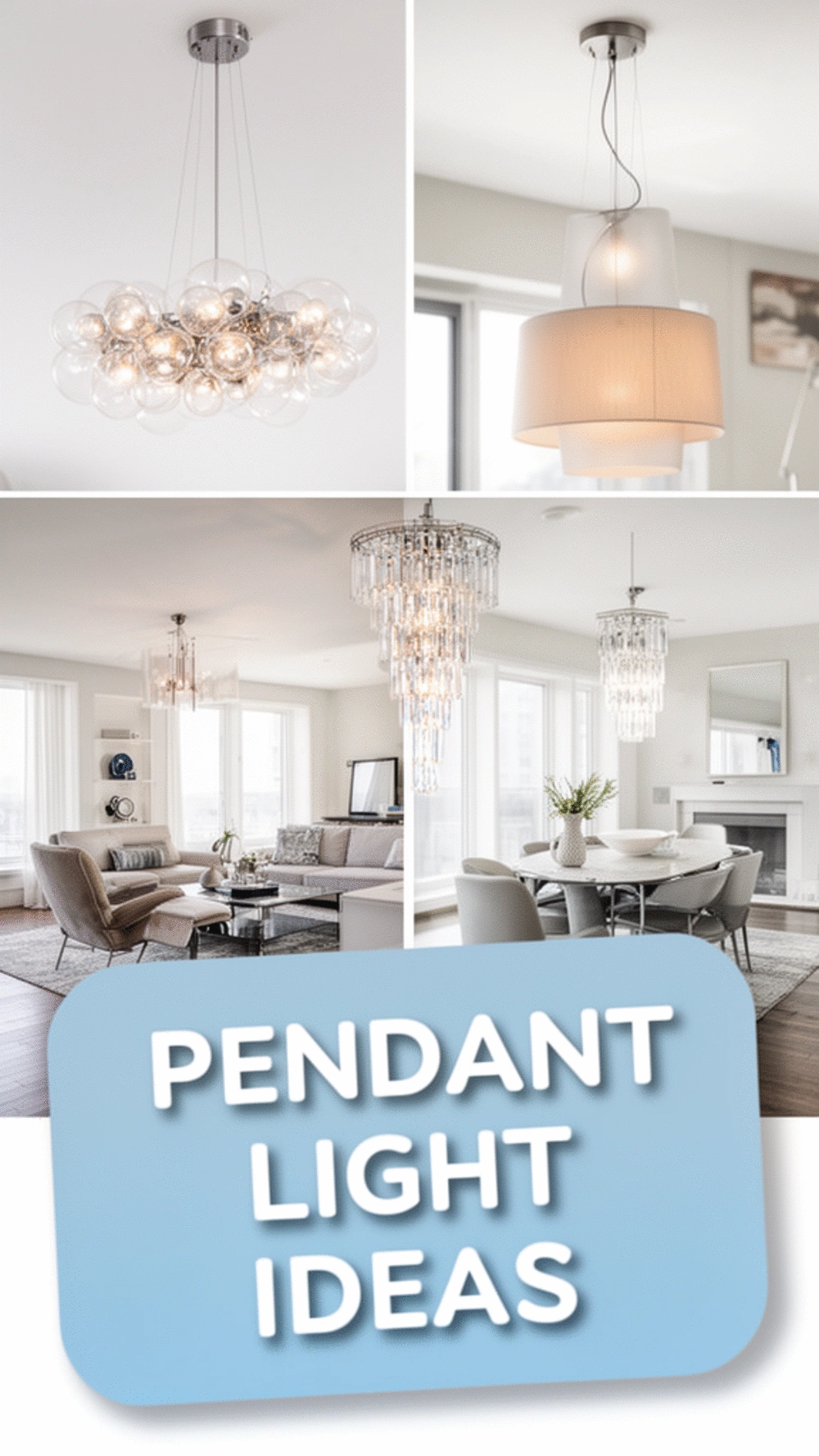
Illuminate your space and create defined living zones effortlessly.
The Impact of Pendant Lighting in Open Spaces: Lighting plays a crucial role in defining your living area, especially in open-concept layouts. Choosing the right pendant light not only adds style but also creates a focal point that visually distinguishes the seating area from neighboring spaces like the kitchen. For instance, hanging a light fixture at about 30-36 inches above the table can enhance the cozy feel of the room.
Where Most People Get Stuck: One common mistake is overlooking the importance of layering different types of lighting. Many focus solely on a single overhead light, which can create harsh shadows and an uninviting atmosphere. For example, a well-placed adjustable pendant light can provide both ambient and task lighting, especially during evening gatherings.
- ★Choose pendant lights with adjustable heights for versatility based on your space.
- ★Mix ambient and task lighting to create a warm and inviting atmosphere.
- ★Avoid using overly bright bulbs; opt for a soft glow that enhances comfort.
⭐ Recommended Modern Pendant Lights
Modern Pendant Light Fixture with Shade
★★★★☆
Our Score: 4.0/5
This adjustable pendant light beautifully illuminates dining areas, marking your living zone distinctively.
View on Amazon →LED Kitchen Lighting Crystal Pendant
★★★★☆
Our Score: 4.0/5
This energy-efficient fixture adds a modern touch, enhancing your open-concept living area.
View on Amazon →✨ Editor's Pick
Bubble Glass Chandelier Pendant Light
★★★★½
Our Score: 4.5/5
This stunning chandelier adds elegance and charm, perfect for defining your living space.
View on Amazon →💡 Quick Tips:
- Choose the Right Height: Hang pendant lights 30-36 inches above surfaces to create an intimate feel.
- Layer Your Lighting: Combine ambient and task lighting for a warm, welcoming atmosphere.
- Opt for Dimmers: Use adjustable pendant lights to control brightness based on daily activities.
Living Room Low Credenza That Acts as a Visual Room Divider in an Open Plan
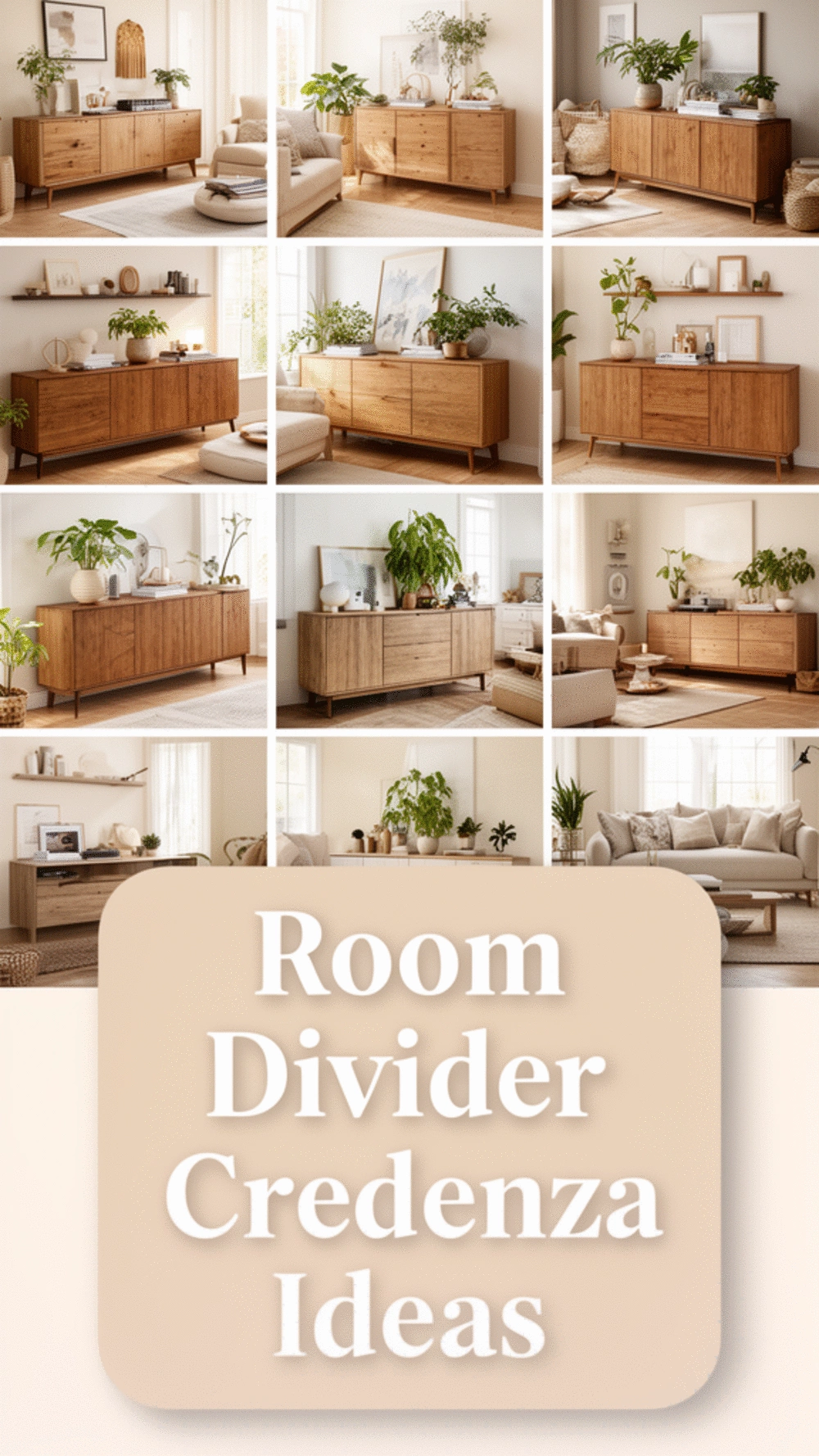
Transform your space with stylish storage solutions that enhance your decor.
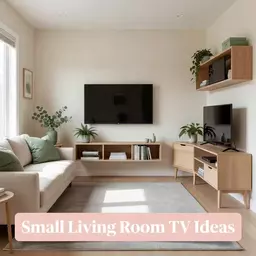
How a Low Credenza Functions as a Divider: A low credenza can effectively define spaces in an open-concept living area while still allowing for visual flow. By placing it strategically, you not only gain valuable storage but also create a subtle boundary that helps anchor the seating area without closing it off.
A subtle issue that adds up is the tendency to overlook the scale of the credenza. Many people choose a piece that is either too tall or too bulky, which can disrupt the visual flow. A low credenza allows light to pass through while still serving the essential function of storage. For instance, opt for a unit that sits a few inches below the height of your furniture to maintain openness.
- ★Choose a credenza with open shelving to enhance light flow.
- ★Place decorative items like plants or books on top for visual interest.
- ★Avoid bulky designs that overpower your space; keep it sleek.
⭐ Top Media Consoles for Living Rooms
✨ Editor's Pick
Mid Century Modern TV Stand
★★★★½
Our Score: 4.5/5
This stylish TV stand offers adjustable shelves for versatile storage while enhancing your living space.
View on Amazon →Sideboard Storage Cabinet with Drawers
★★★★☆
Our Score: 4.0/5
This versatile cabinet functions as a coffee bar or console, enhancing your living area with style.
View on Amazon →Fluted Sideboard Accent Cabinet
★★★★☆
Our Score: 4.0/5
This elegant cabinet enhances decor and provides adjustable storage for your living room needs.
View on Amazon →💡 Quick Tips:
- Choose a low credenza: It should sit below the height of your furniture to maintain openness.
- Use open shelving: This enhances light flow, making your space feel bigger and brighter.
- Decorate the top: Add plants or books to create visual interest and soften the separation.
You're making great strides in discovering how to visually define your open-concept living space. Finding effective ways to create zones, even without walls, can truly transform how your home feels and functions. Remember, each idea you consider brings you closer to a more cohesive and inviting atmosphere.
💡 Worth Remembering:
- A well-chosen living room rug can ground your lounge zone.
- Avoid pushing all furniture against walls; bring pieces inward for intimacy.
- Creating a defined space is about intention, not rigid barriers.
- Thoughtful lighting can greatly enhance your cozy vibes.
The Open-Plan Living Room Accent Wall Colour That Separates the Lounge Zone
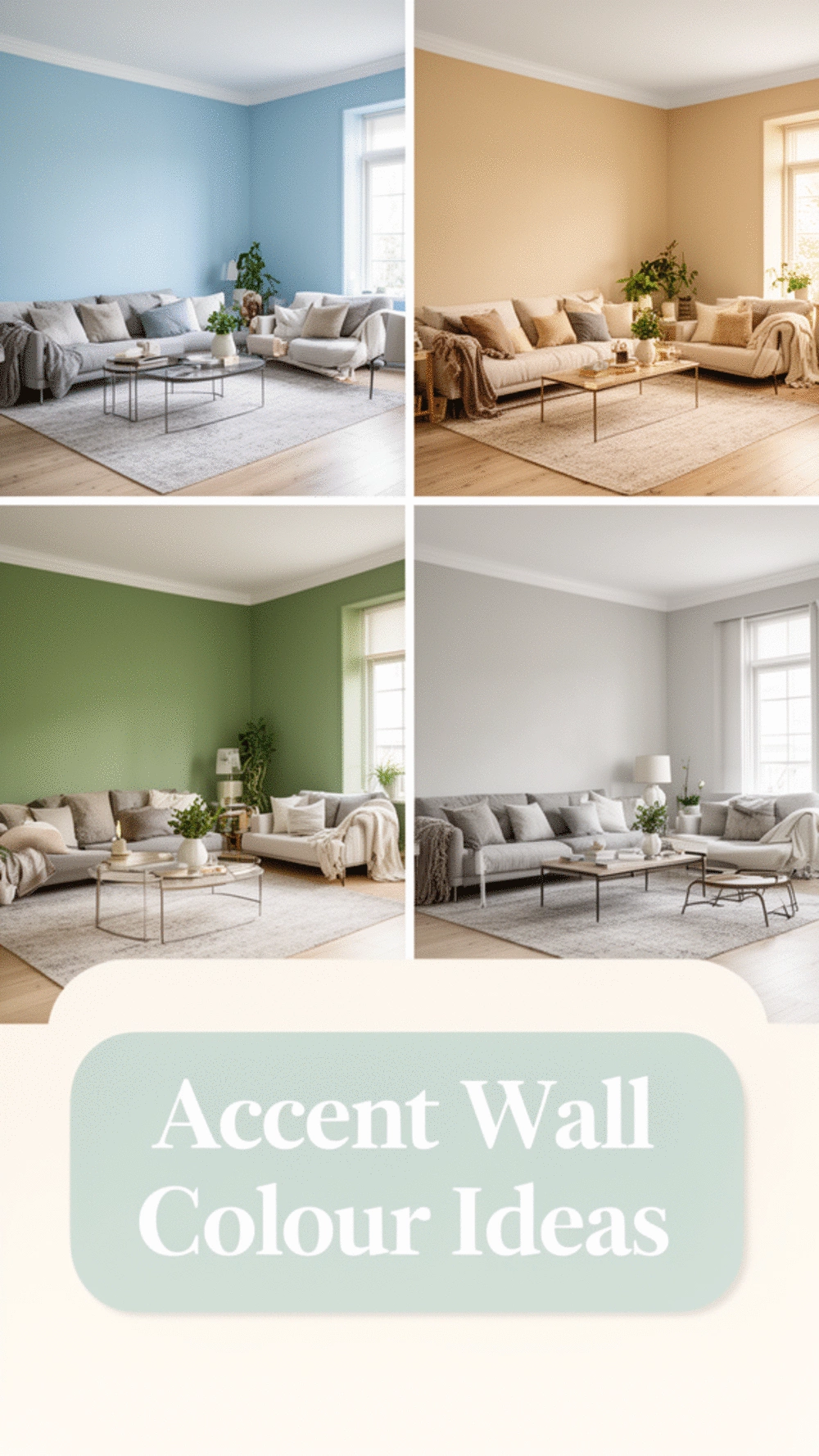
Elevate your open plan with strategic accent wall colors.
Understanding the Impact of Accent Wall Colour in Open-Plan Spaces: Did you know that color can play a crucial role in defining different areas within your open-plan living room? An accent wall can create boundaries without physical barriers, guiding the eye and establishing a sense of **division**. For instance, a soft blue wall behind the seating area can evoke calmness while distinguishing it from the kitchen.
Where Most People Get Stuck is when they choose vibrant colors in small spaces, thinking it will add character. This can backfire, making the area feel cramped. Instead, consider softer tones; for example, a muted green can provide a fresh look without overwhelming the room's vibe.
- ★Choose a color that reflects the mood you want to create in your lounge zone.
- ★Test paint samples in natural light to see how they change throughout the day.
- ★Avoid dark colors in small spaces; they can make the area feel smaller and less inviting.
⭐ Best Paints for Interior Walls
Rust-Oleum Glitter Interior Wall Paint
★★★★☆
Our Score: 4.0/5
This paint adds a beautiful shimmering effect to your interiors, perfect for accent walls.
View on Amazon →✨ Editor's Pick
Glidden Total Interior Wall Paint
★★★★½
Our Score: 4.5/5
This durable paint provides excellent coverage and is easy to clean for high-traffic areas.
View on Amazon →EVOLVE Signature Paint & Primer
★★★★☆
Our Score: 4.0/5
This paint offers a luxurious finish for your walls, combining paint and primer in one.
View on Amazon →💡 Quick Tips:
- Test paint samples: Always evaluate colors in natural light to see how they shift over time.
- Consider the room’s purpose: Choose colors that evoke the atmosphere you want for your lounge area.
- Balance warm and cool tones: Mixing both can create a harmonious and inviting environment while separating zones.
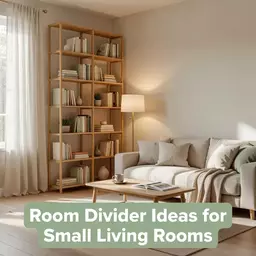
Small Open-Concept Living Room Bookshelf Used as a Soft Room Divider
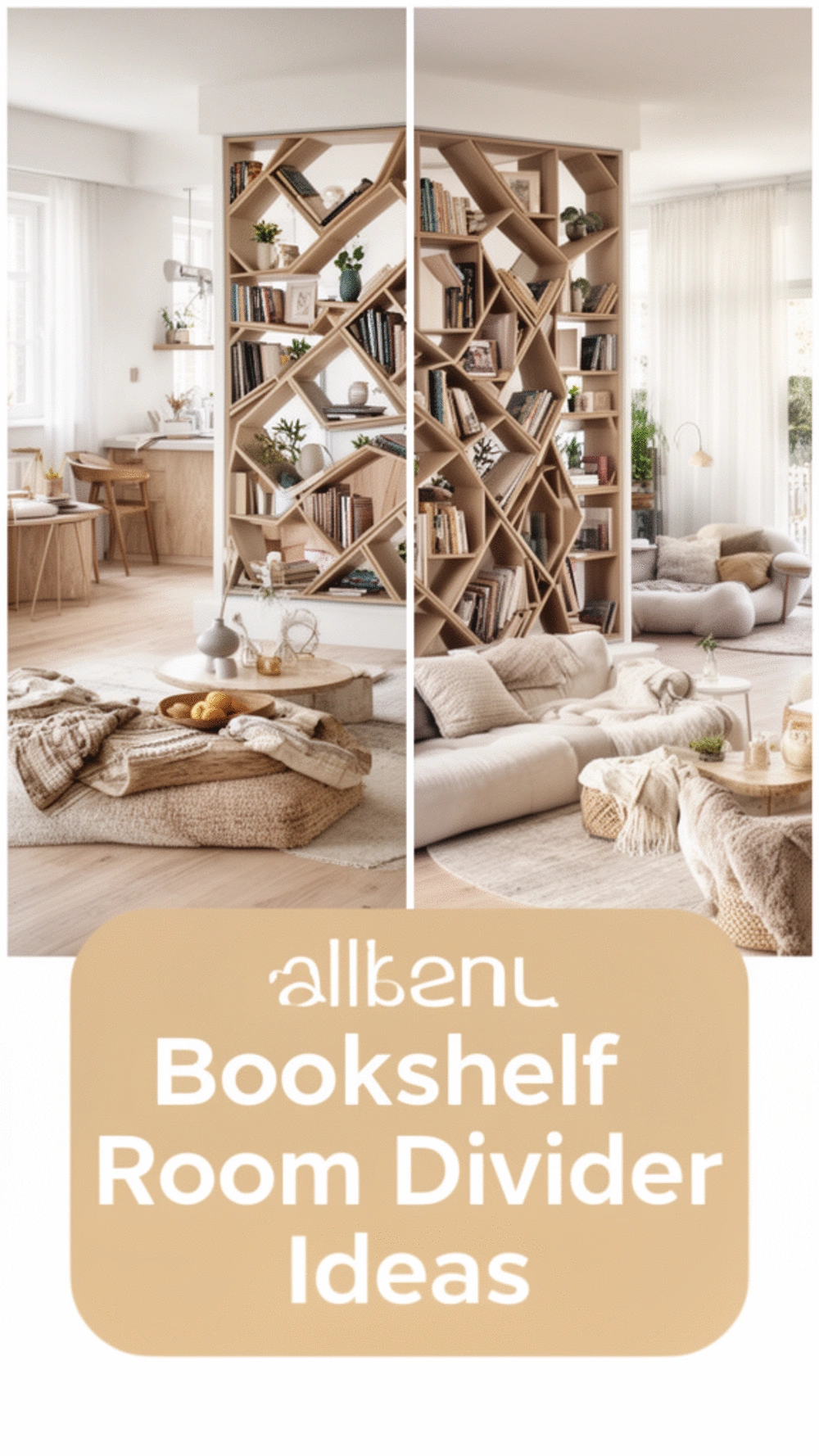
Transform your space with stylish and functional bookshelves.
Why a Bookshelf Divider Works Wonders: Using a bookshelf as a soft room divider not only adds visual interest but also retains an open feel. It allows light to filter through while visually separating the living area from adjacent spaces, creating a cozy nook. Opt for bookshelves that are tall enough to define areas without completely blocking views.
What people often overlook is the significance of styling the bookshelf. Many assume a few books will suffice, but this can lead to a cluttered appearance. Instead, consider using a mix of books, plants, and decorative items to keep it visually appealing and organized.
- ★Choose a bookshelf that complements your room's style while being functional.
- ★Opt for a unique design, like an S-shaped bookshelf, for added flair.
- ★Avoid overcrowding with too many items; maintain visual balance for a clean look.
⭐ Top Bookshelves for Room Dividers
Tall Bookshelf with Storage Cabinets
★★★★½
Our Score: 4.5/5
This spacious bookshelf offers both open and closed storage, enhancing your space's organization.
View on Amazon →Minimalist Open Shelving Unit Bookcase
★★★★☆
Our Score: 4.0/5
This open shelving unit is perfect for displaying books and decor, enhancing the space's visual flow.
View on Amazon →✨ Editor's Pick
S-Shaped Geometric Room Divider Bookshelf
★★★★☆
Our Score: 4.0/5
This modern bookshelf provides ample display space while serving as a stylish room divider.
View on Amazon →🚀 Quick Tips:
- Choose the Right Size: Ensure your bookshelf isn't too tall, allowing light to pass through.
- Mix It Up: Use a blend of books, plants, and decor to keep your shelves engaging.
- Keep It Organized: Regularly curate your bookshelf to maintain a tidy and inviting look.
Why Consistent Furniture Facing in an Open-Plan Living Room Makes the Zone Feel Defined
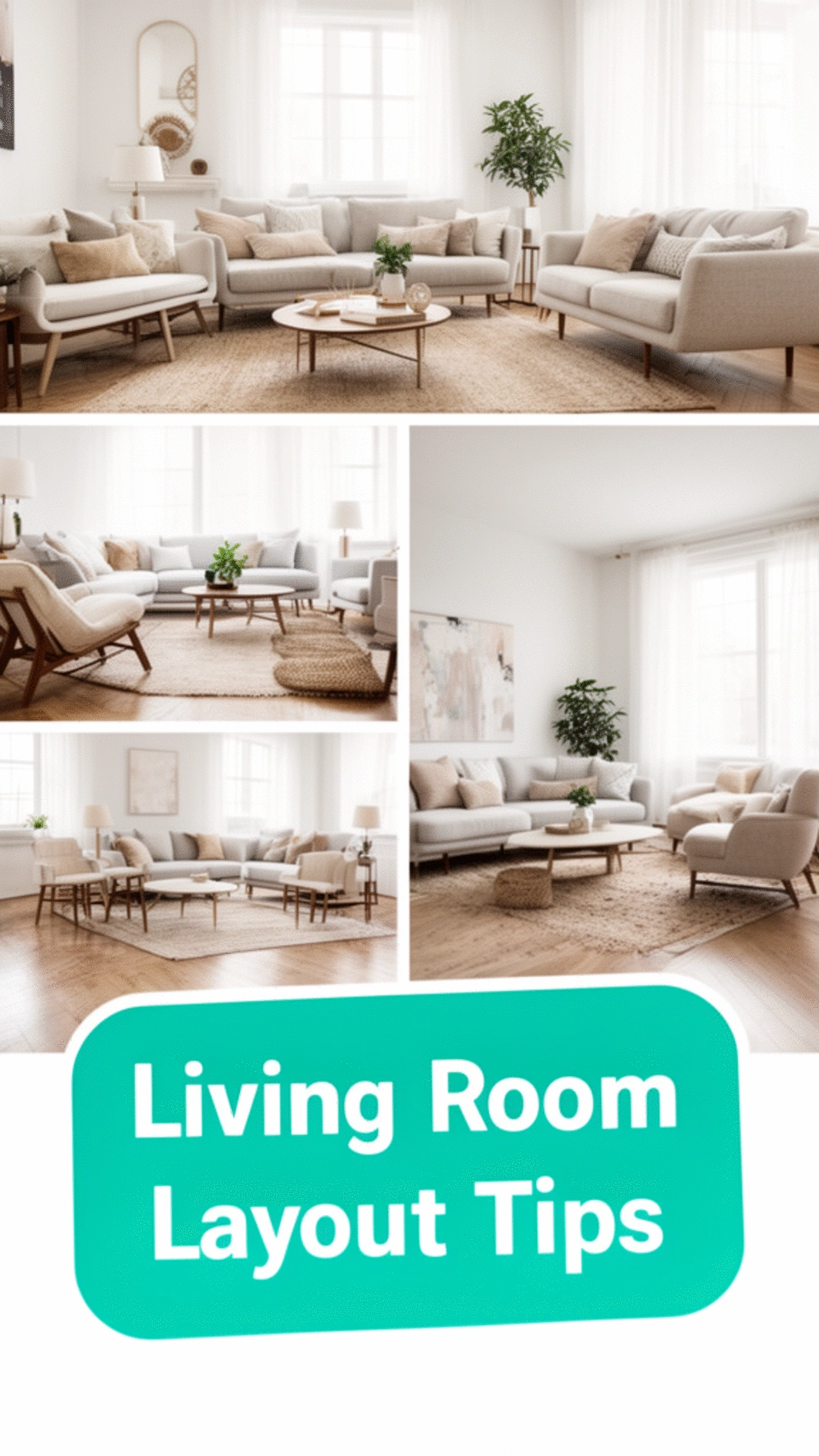
Enhance your open-plan living with smart furniture arrangements.
The Importance of Consistent Furniture Facing: Have you noticed how the arrangement of furniture can create a sense of unity in an open-plan living room? When furniture is consistently oriented towards each other, it fosters conversation and enhances the overall flow of the space. This approach not only **defines** the living area but also invites interaction among family members and guests.
What People Rarely Consider: Many overlook the impact of furniture arrangement on social dynamics. For example, a living room with a sofa facing a loveseat encourages interaction, while a disjointed arrangement can feel isolating. Keeping pathways clear between pieces helps maintain an open, welcoming atmosphere.
- ★Arrange your seating to face each other, promoting conversation and connection.
- ★Incorporate an area rug to further delineate and define your seating zone.
- ★Avoid pushing all furniture against walls; create cozy, inviting spaces in the middle.
⭐ Our Picks for Living Room Furniture Sets
✨ Editor's Pick
Mid-Century Vintage Sofa Set
★★★★☆
Our Score: 4.0/5
This stylish sofa set fosters a welcoming atmosphere in your open-plan living area.
View on Amazon →Sectional Sofa with Chaise Lounge
★★★★½
Our Score: 4.5/5
This modular sectional creates cozy nooks, enhancing overall comfort in your living space.
View on Amazon →L Shaped Sofa Couch with Ottoman
★★★★☆
Our Score: 4.0/5
This L-shaped couch offers flexible seating, perfect for entertaining guests comfortably.
View on Amazon →💡 Best Practices:
- Face furniture towards each other: This simple adjustment encourages conversation and connection.
- Maintain clear pathways between pieces: This promotes movement and keeps the space feeling open.
- Consider an area rug: It can help define your seating area while keeping furniture facing consistently.
You now have seven practical ways to enhance your open-concept living room with thoughtful design elements. Consider starting with one or two ideas that resonate most with your style and needs.
Your space will feel more like yours with each intentional adjustment, allowing for a more inviting atmosphere. Remember, even the smallest shifts can create a significant impact in how you experience your living area.