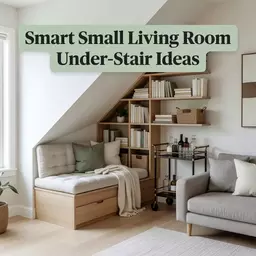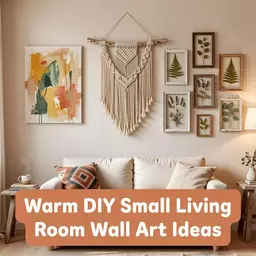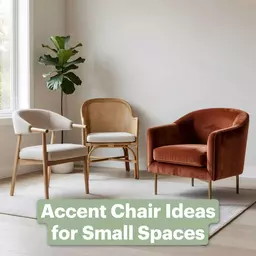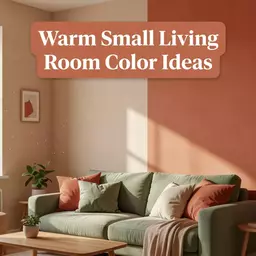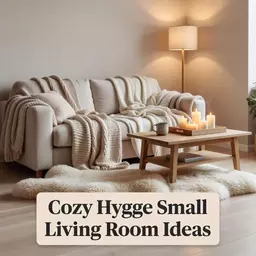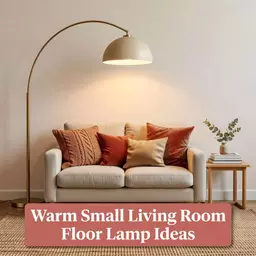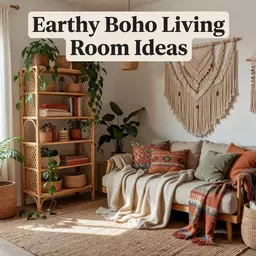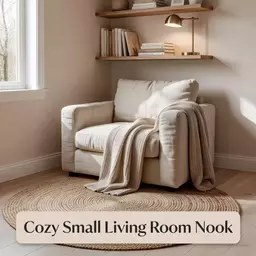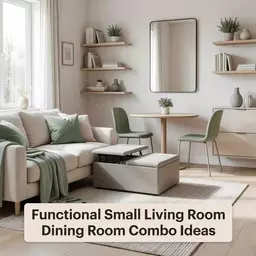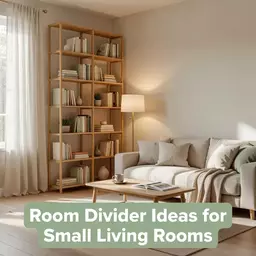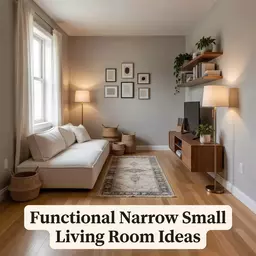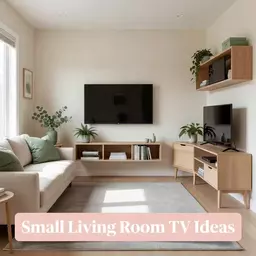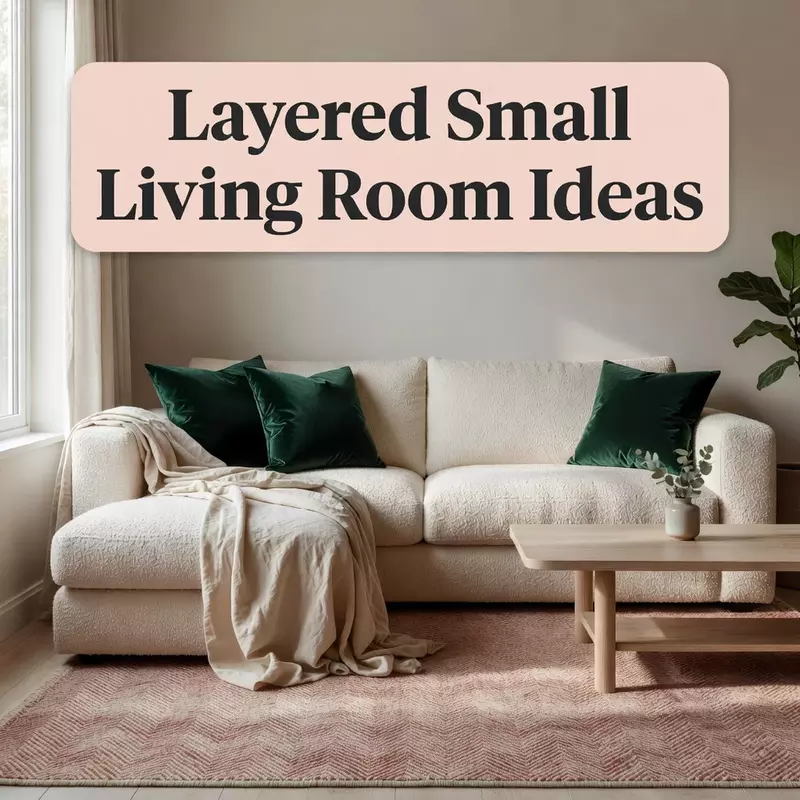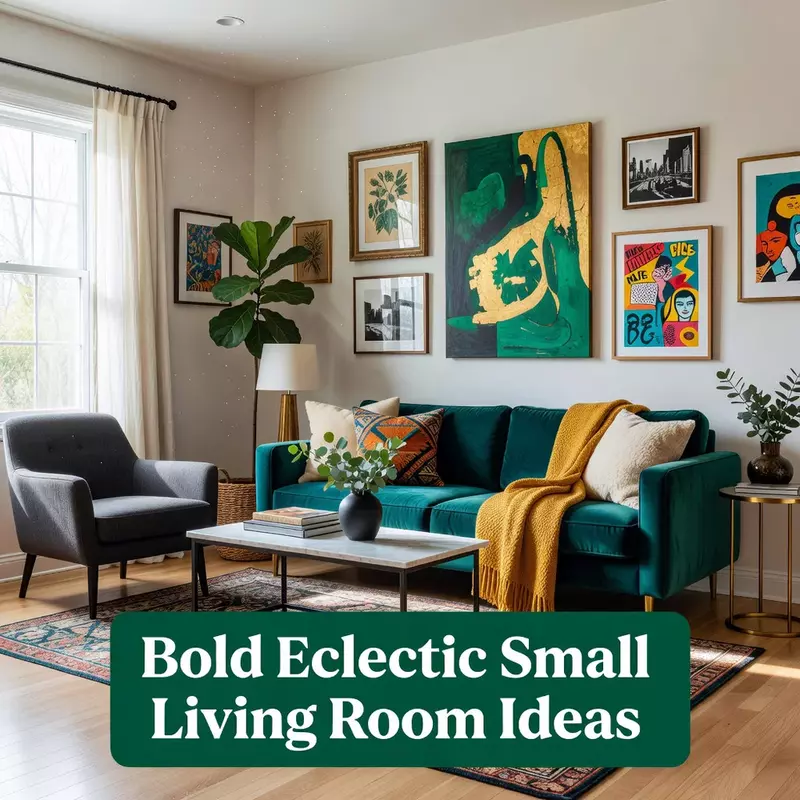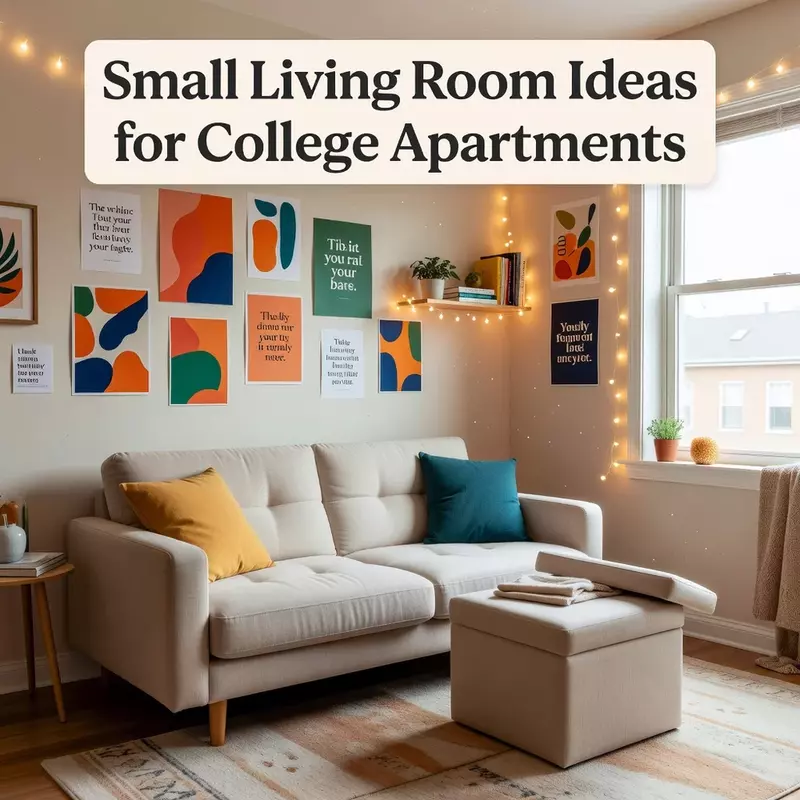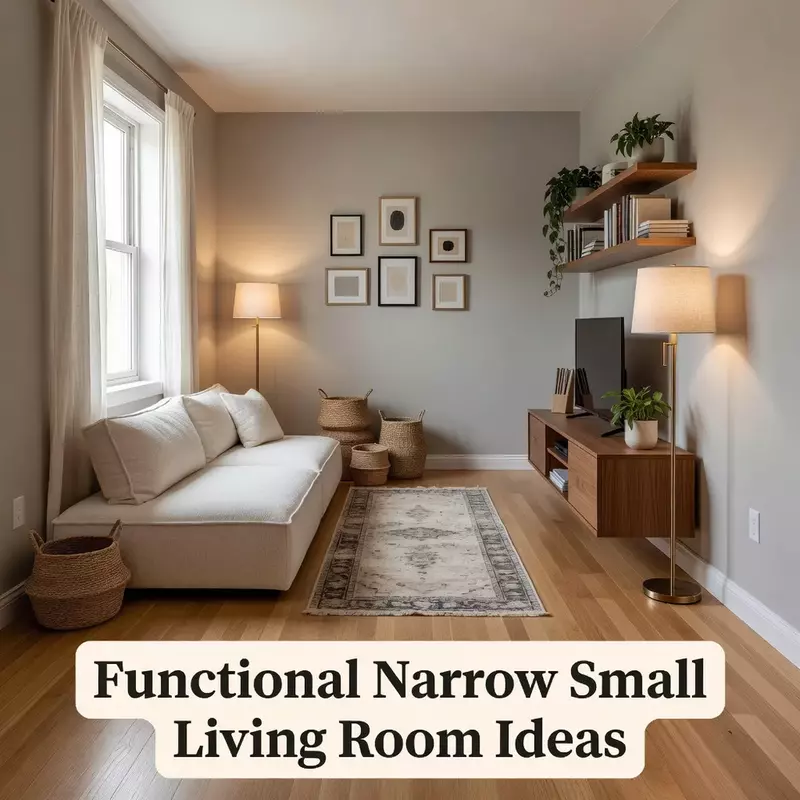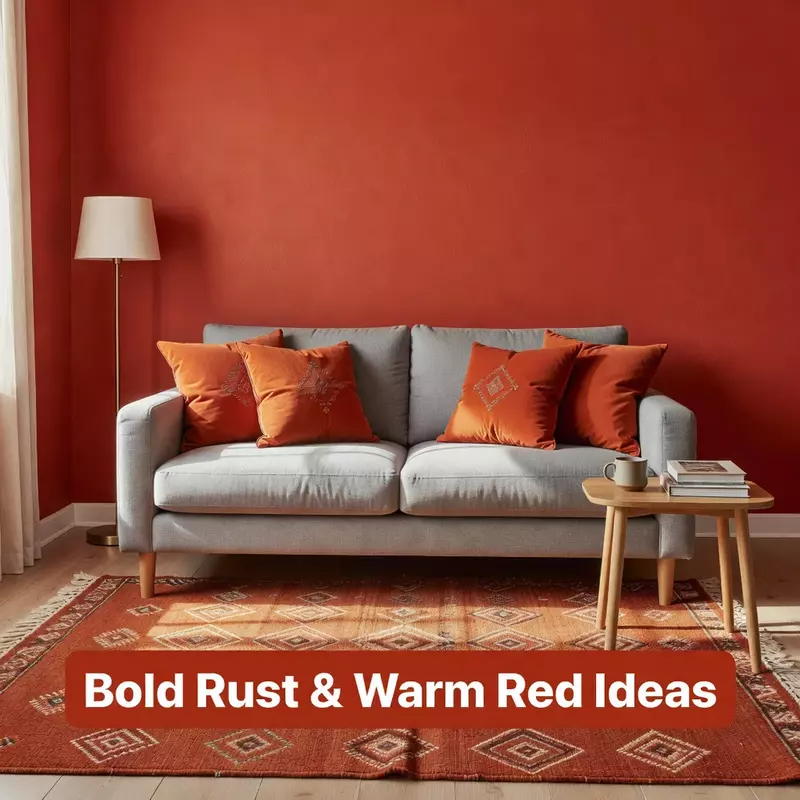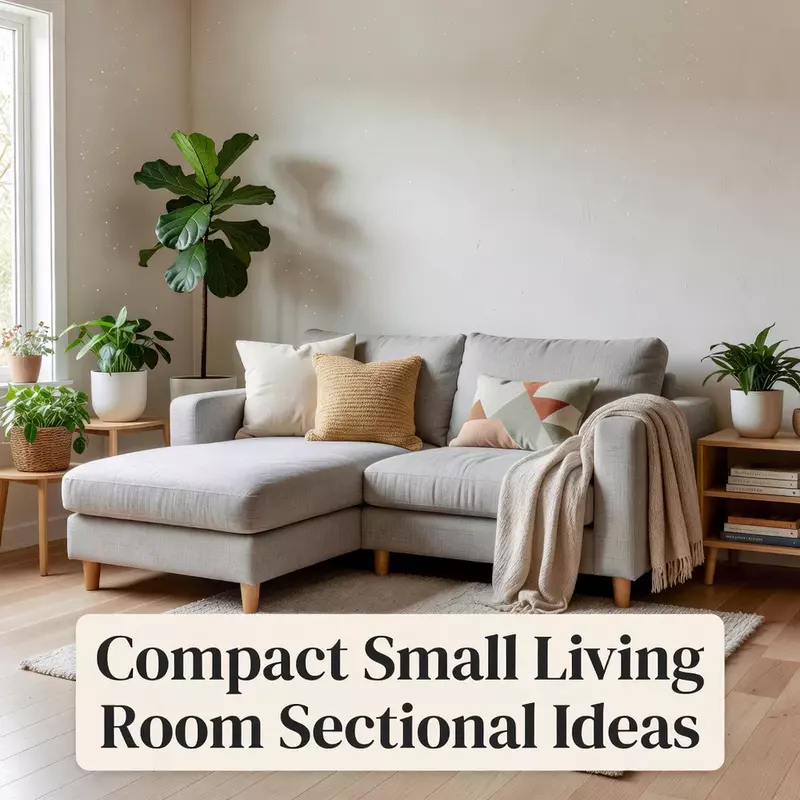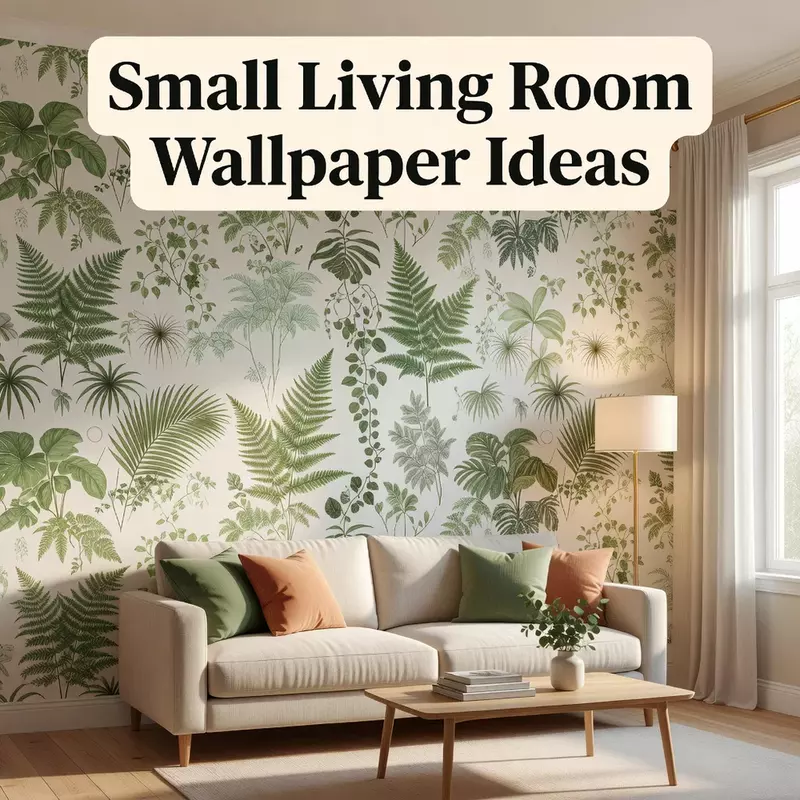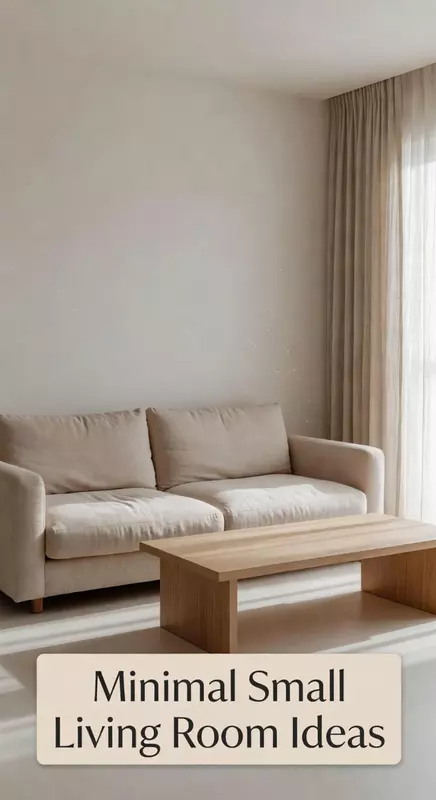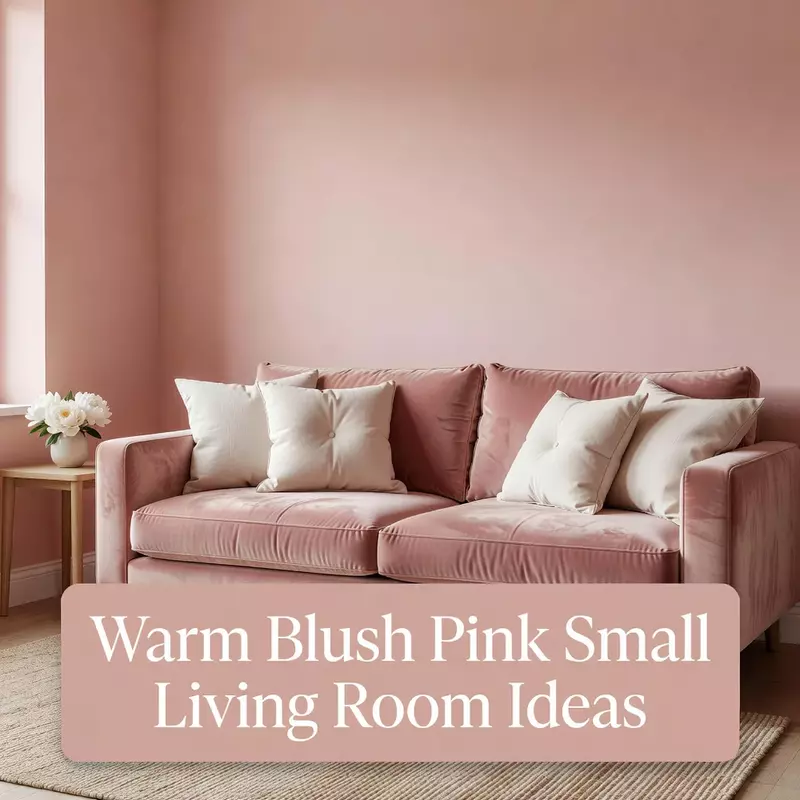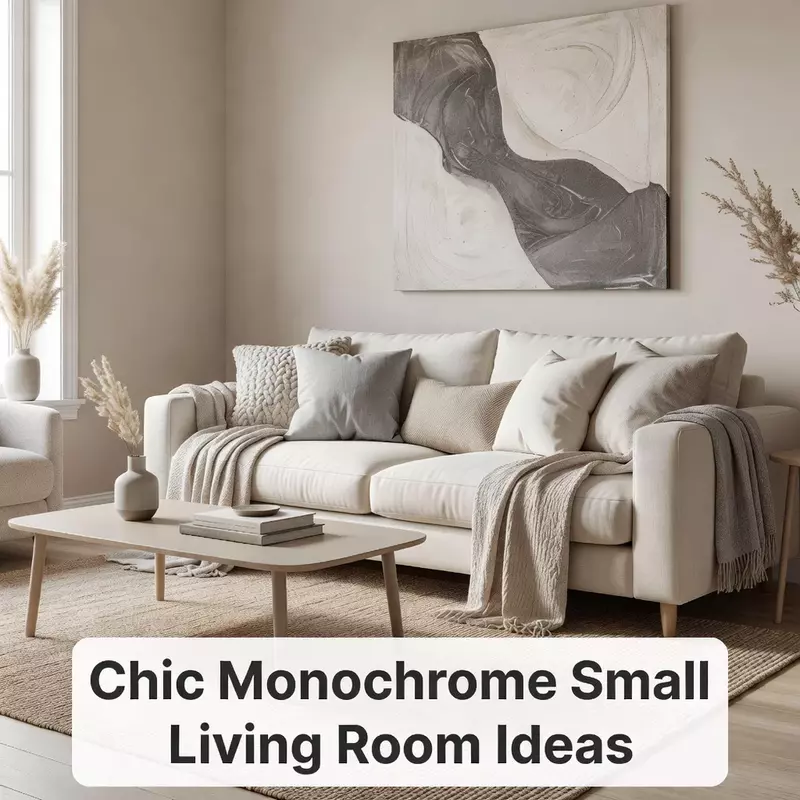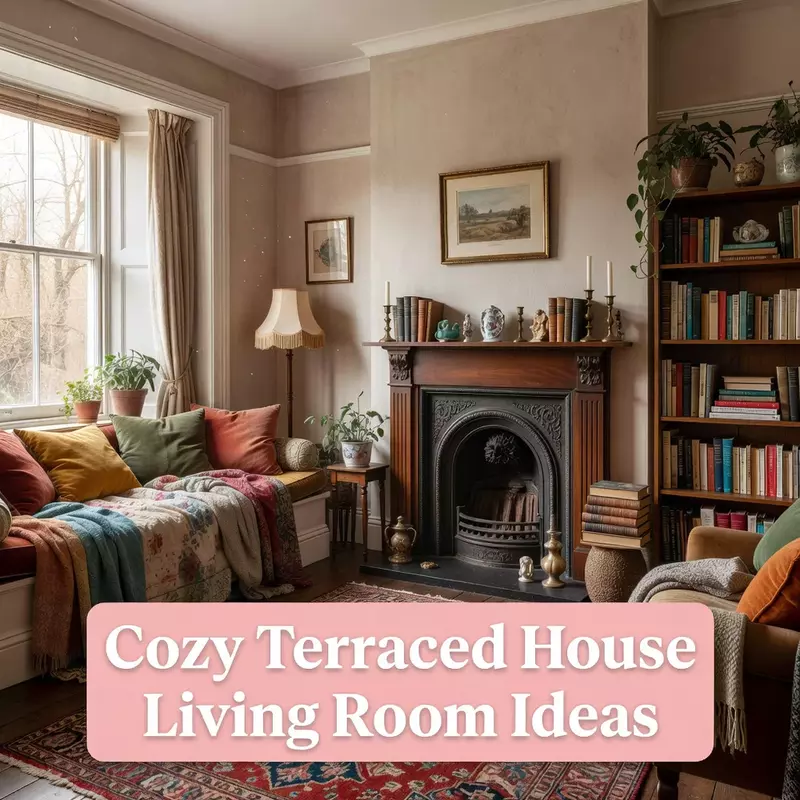
Creating distinct zones in a small open-concept living room can feel daunting, especially in today's urban apartments. Fortunately, with just a few clever strategies, you can effectively define your space. Here are 7 simple ideas to help you achieve a purposeful and inviting atmosphere.
Small Open-Plan Living Room Rug That Anchors the Seating Zone in a Tiny Combined Space
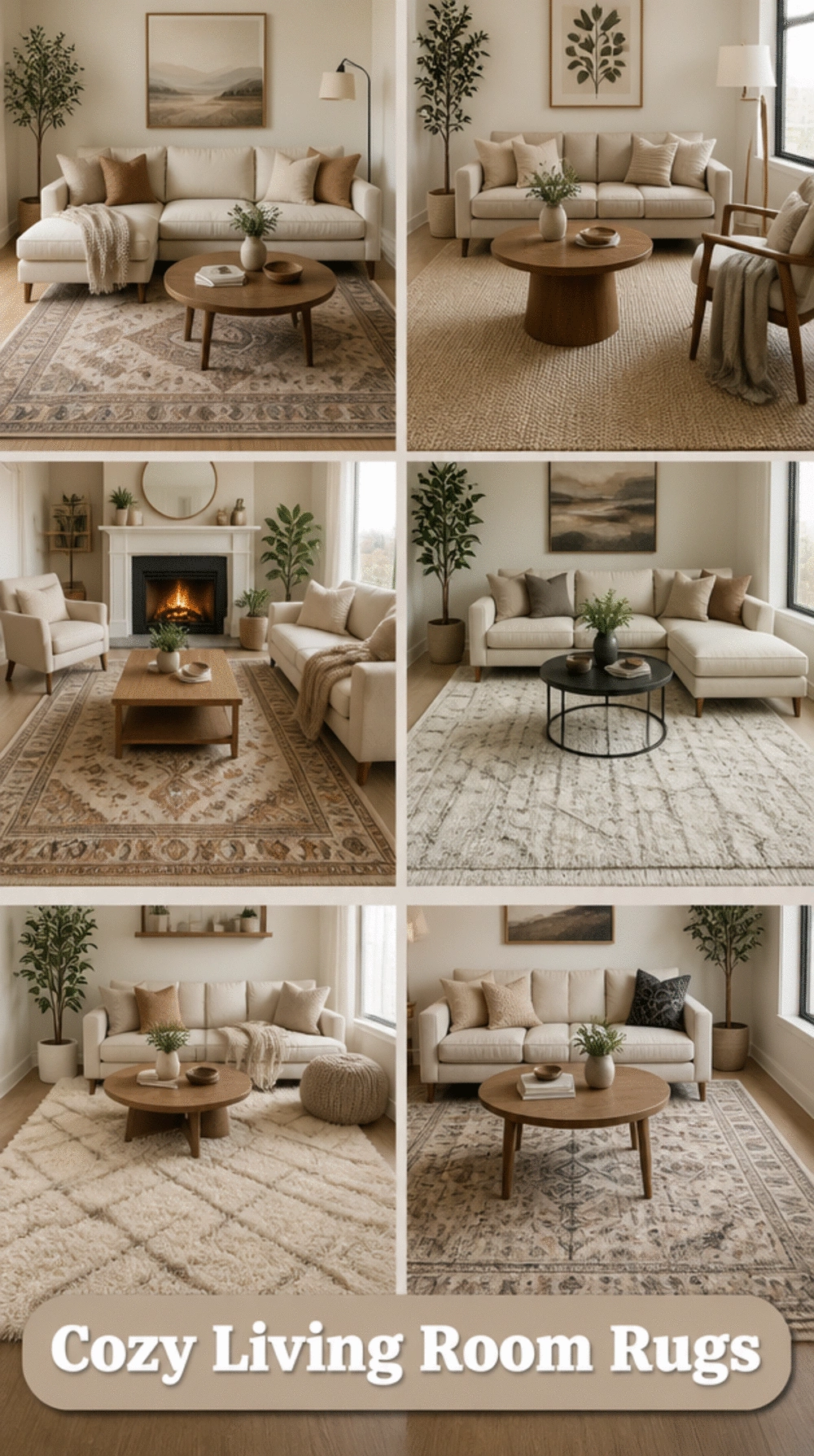
Transform your tiny living space with a well-placed area rug.
As an Amazon Associate I earn from qualifying purchases. Affiliate links may earn me a commission at no extra cost to you.
Understanding the Role of Area Rugs in Open-Plan Living Spaces: A well-chosen area rug can act as a visual anchor, helping to clearly define the seating zone in your small living room. By covering a significant portion of the floor beneath your furniture, it creates a sense of coziness and delineates the area without the need for walls. Aim for a rug that extends at least 12-18 inches beyond your sofa and chairs to enhance that defined feeling.
What people often overlook is the size of the rug. Many choose rugs that are too small for their seating arrangements, which can make a space feel cluttered instead of cohesive. For example, if your sofa is 72 inches long, aim for a rug that’s at least 5x7 feet to allow for comfortable spacing around the furniture.
- ★Choose a rug that complements your existing decor for a seamless look.
- ★Consider size carefully: your rug should extend beyond furniture for impact.
- ★Avoid rugs that are too small for your seating area to prevent a disjointed feel.
⭐ Top Products for Small Living Room Rugs
✨ Editor's Pick
Non-Slip Area Rug Runner
★★★★½
Our Score: 4.5/5
This durable rug helps define your seating area while ensuring a non-slip surface for safety.
View on Amazon →Hand Woven Jute Braided Rug
★★★★☆
Our Score: 4.0/5
This bohemian-style rug adds a warm touch and helps anchor your small living space.
View on Amazon →Soft Checkered Area Rug
★★★★☆
Our Score: 4.0/5
This fluffy shag rug brings warmth and comfort, perfect for your cozy seating area.
View on Amazon →💡 Quick Tips:
- Choose a rug that fits your seating arrangement: Ensure it extends at least 12-18 inches beyond furniture.
- Select complementary colors: Pick a rug that enhances your existing decor for a harmonious look.
- Avoid small rugs: A rug that's too small can make your space feel disjointed and cluttered.
Living Room Sofa Back Used as a Zone Divider in a Small Open-Concept Apartment Layout
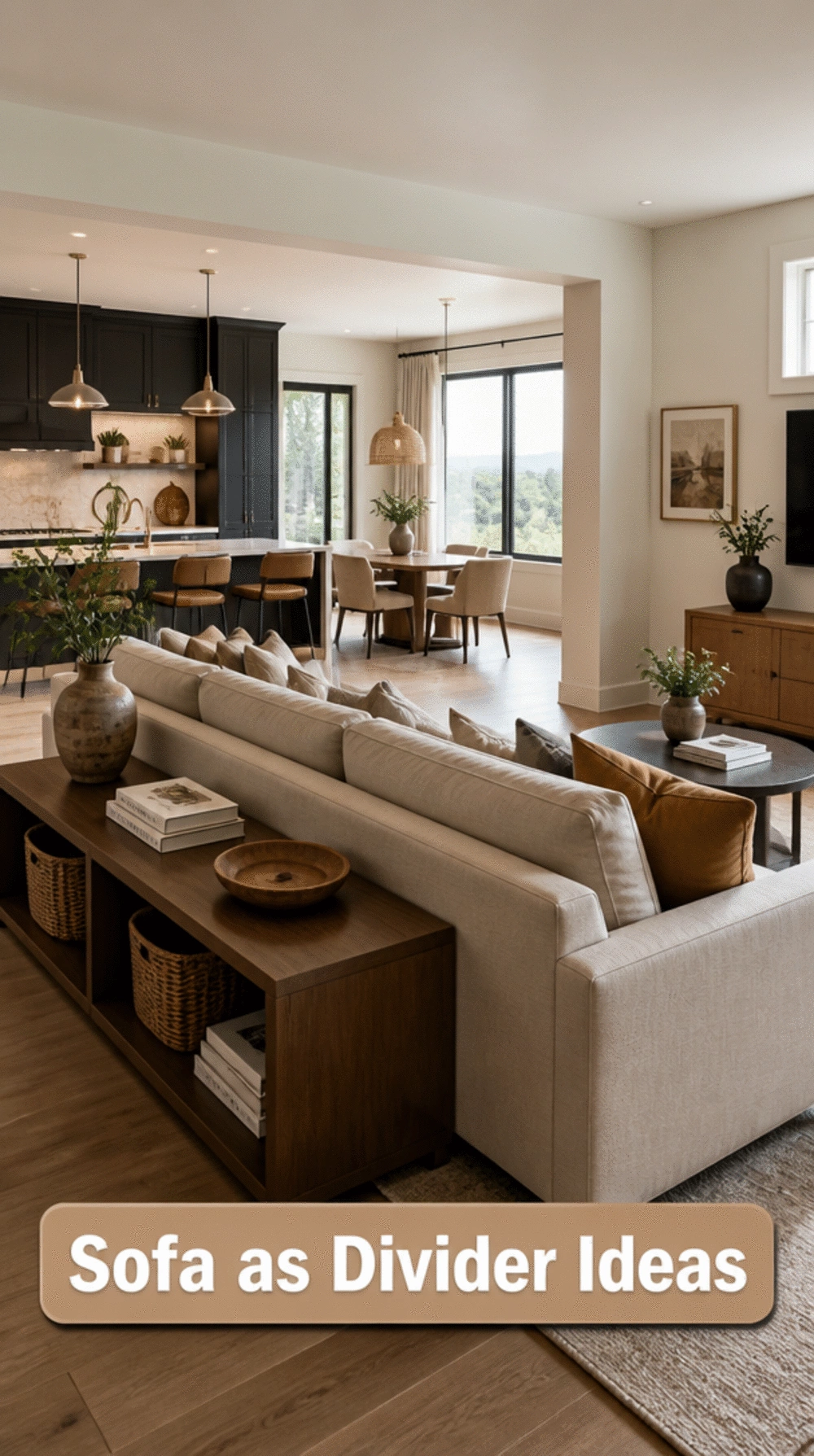
Transform your space with thoughtful furniture placement
How Using Your Sofa as a Zone Divider Works: A sofa back can act as a stylish visual barrier in open-concept spaces, effectively crafting a sense of intimacy. By positioning it strategically, you can delineate the living area from other spaces, adding both functionality and aesthetic appeal to your home.
What People Rarely Consider: Choosing the right sofa is crucial. Many overlook how a sofa’s back style can impact the flow of the room. For instance, opting for a sofa with a lower back can help maintain an open feel, while a taller back can offer more separation and privacy.
- ★Choose a sofa with a back that complements your decor style and height preference.
- ★Maintain at least 18-24 inches between the sofa and other furniture for easy flow.
- ★Avoid isolating the sofa; pair it with complementary pieces to enhance connectivity.
⭐ Top Products for Zone Dividing Sofas
Wood Furniture Leg Set
★★★★☆
Our Score: 4.0/5
Update your sofa's look with these stylish wood legs that enhance your space's design.
View on Amazon →✨ Editor's Pick
Sectional Sleeper Sofa with Storage
★★★★½
Our Score: 4.5/5
This versatile sectional sofa provides both comfort and a practical storage solution.
View on Amazon →Mid Century Modern Couch
★★★★☆
Our Score: 4.0/5
Enjoy the spacious design of this couch while providing a stylish room divide.
View on Amazon →💡 Key Steps to Follow:
- Select a sofa: Choose one with an attractive back for visual appeal.
- Position wisely: Place it to separate areas without blocking pathways.
- Incorporate complementary furniture: Pair with side tables or accent chairs for a cohesive feel.
Small Open-Plan Living Room Pendant Light That Defines the Seating Area From Above
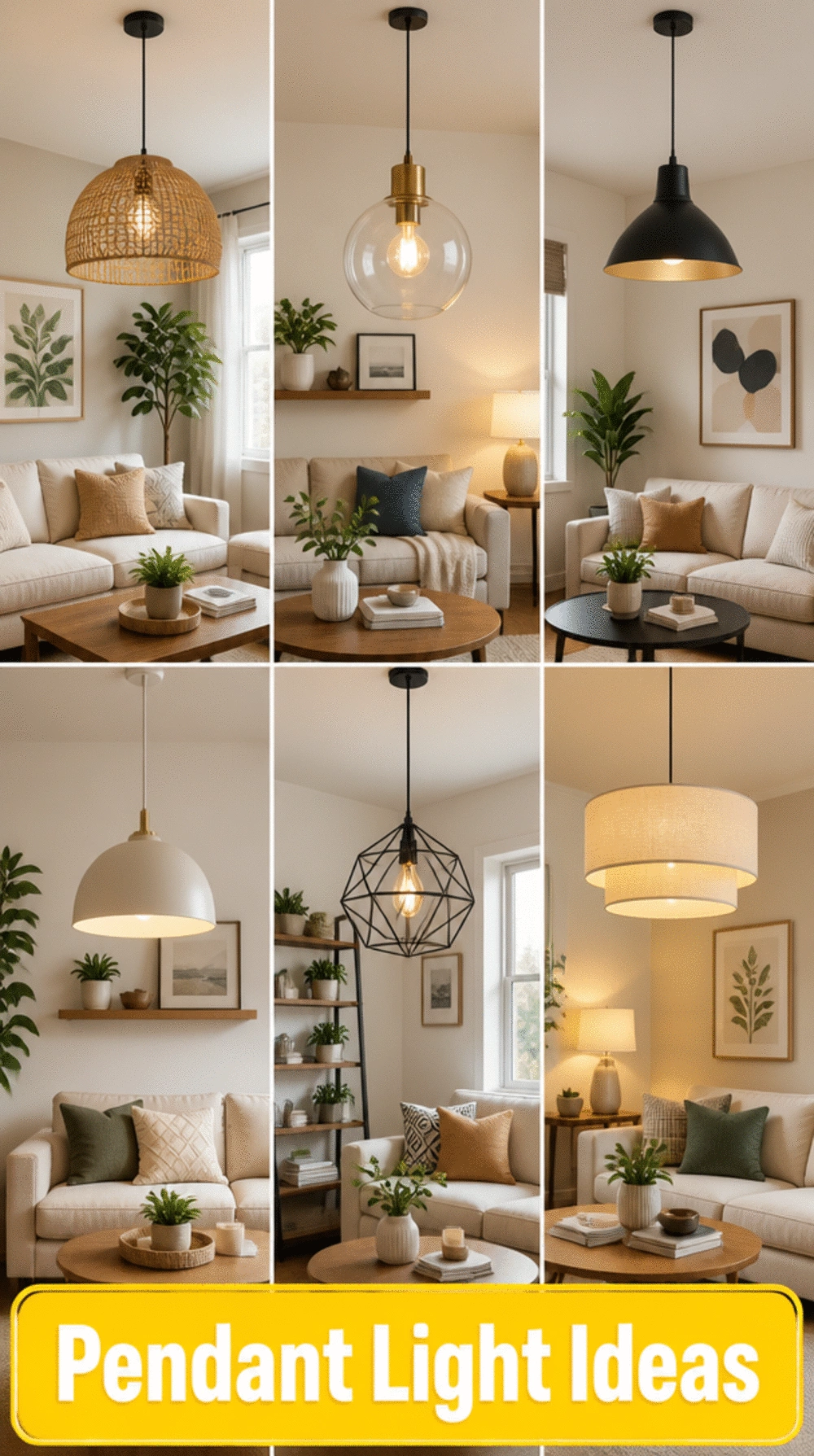
Elevate your living room’s atmosphere with the perfect pendant light.
The Importance of Pendant Lighting in Open Spaces: Pendant lights can transform an open-concept living room by creating a visually distinct area for seating. They act as a beautiful focal point while providing essential lighting, enhancing the overall aesthetic of your small living space. Consider the height and style that best suits your decor for maximum impact.
Where Most People Get Stuck: Many homeowners overlook the significance of scale when choosing pendant lights. For instance, opting for a light fixture that’s too small can leave the space feeling unbalanced. A well-sized pendant that hangs at the right height can create a cozy, inviting atmosphere, making your living area feel purposefully designed.
- ★Choose a pendant that complements the seating area style for a cohesive look.
- ★Install pendant lights at eye level (around 30-36 inches above the table) for optimal effect.
- ★Mix different light sources; a pendant adds charm but combine it with soft wall lighting for best results.
⭐ Recommended for Living Room Pendant Lights
Industrial Pendant Lighting 3-Pack
★★★★☆
Our Score: 4.0/5
Adds versatility to your lighting, perfect for defining areas while providing effective illumination.
View on Amazon →LED Pendant Light Fixtures
★★★★☆
Our Score: 4.0/5
Stylish and modern, this fixture enhances your living area while being energy efficient.
View on Amazon →✨ Editor's Pick
Modern Farmhouse Black Chandelier
★★★★½
Our Score: 4.5/5
Stylish chandelier elevates the decor, effectively defining your seating area from above.
View on Amazon →💡 Quick Tips:
- Choose the right size: A pendant light should be proportional to your seating area.
- Consider dimmability: Opt for a light fixture that can adjust brightness for different moods.
- Mix materials: Combine metal, glass, or wood for an eclectic look that matches your decor style.
Living Room Half-Height Bookshelf That Separates a Small Open-Plan Space Without Walls
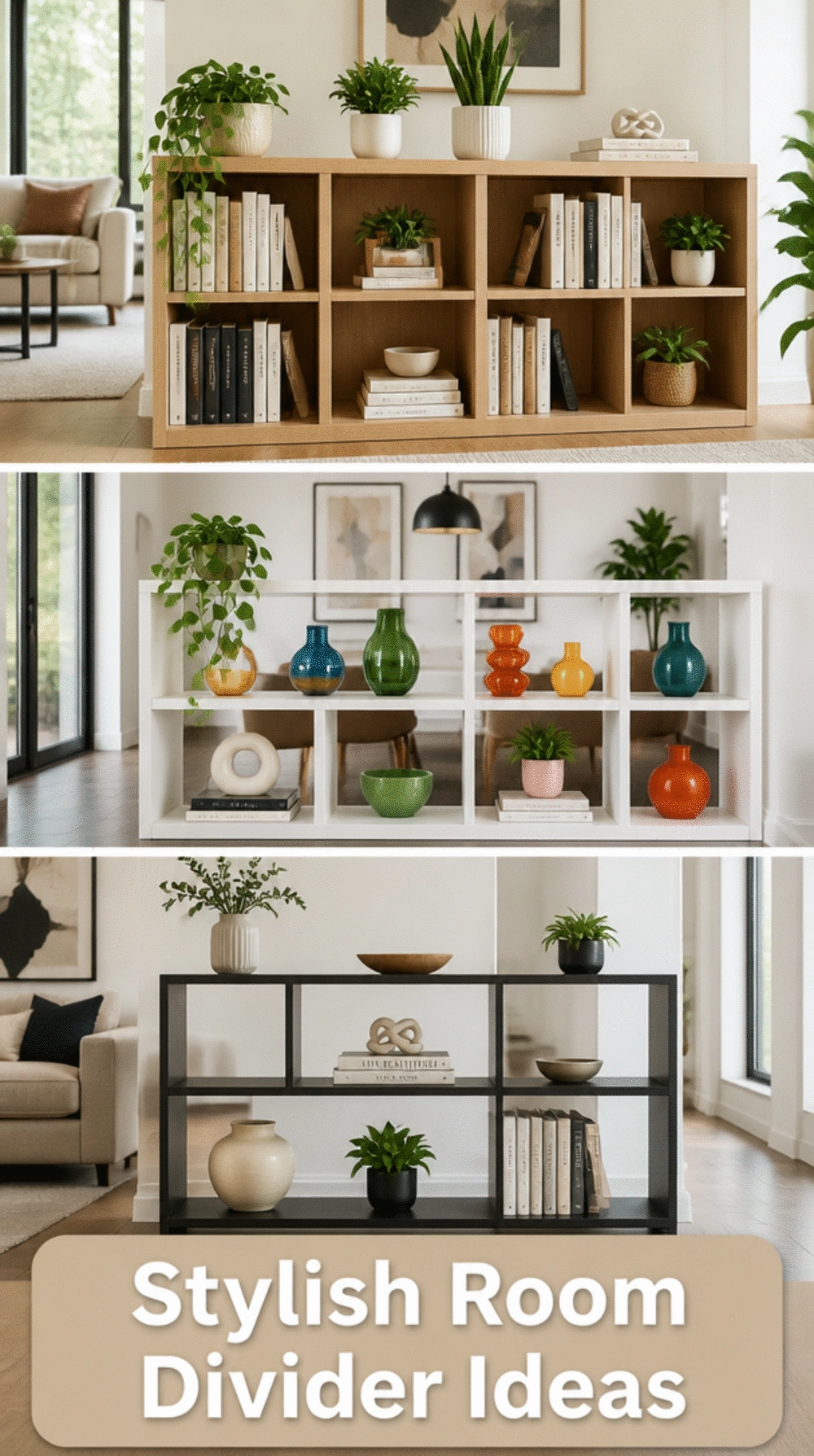
Discover how a stylish bookshelf can enhance your open-plan living space.
The Benefits of Half-Height Bookshelves for Open Spaces: A half-height bookshelf can effectively divide a small open-plan living area without sacrificing the airy feel of the space. It not only adds visual interest but also serves as functional storage for books and decorative items, making your room both practical and stylish.
What People Rarely Consider is how the styling of these bookshelves can enhance the overall look of your room. For instance, balancing books with decorative pieces can create a dynamic visual interest. When people overlook this, they miss out on maximizing both functionality and aesthetics.
- ★Choose a bookshelf that complements your existing decor for a cohesive look.
- ★Balance books with decorative items to create visual interest and style.
- ★Avoid overcrowding shelves; leave some space for light to flow and avoid clutter.
⭐ Best Products for Room Divider Bookshelves
✨ Editor's Pick
Geometric S-Shaped Bookcase
★★★★½
Our Score: 4.5/5
This stylish bookshelf effectively separates spaces without closing off the room.
View on Amazon →6-Tier Freestanding Bookshelf
★★★★☆
Our Score: 4.0/5
This tall bookshelf offers ample storage while maintaining an open feel in the room.
View on Amazon →5 Tier Ladder Shelf Bookcase
★★★★☆
Our Score: 4.0/5
This narrow shelf maximizes vertical space while providing room separation.
View on Amazon →💡 Best Practices:
- Style with variety: Mix books with decor items for a balanced look.
- Maintain open space: Avoid over-stuffing your shelves to keep the area airy.
- Consider shelf height: Ensure the bookshelf doesn’t block light or views, enhancing openness.
Making thoughtful changes in an open-plan space can truly elevate how your home feels and functions. Even subtle adjustments can have a profound impact, creating zones that enhance daily living. It’s about crafting a space that serves your needs beautifully, not striving for an unattainable ideal.
💡 Worth Remembering:
- Consider how lighting layers can enhance defined areas.
- Visual flow between zones helps a small space feel larger, especially with airy color ideas.
- Functionality is key; ensure each zone serves its purpose effectively.
- Thoughtful furniture placement can truly define a tiny living room.
Small Open-Concept Living Room Colour Zone on One Wall That Defines a Tiny Sitting Area
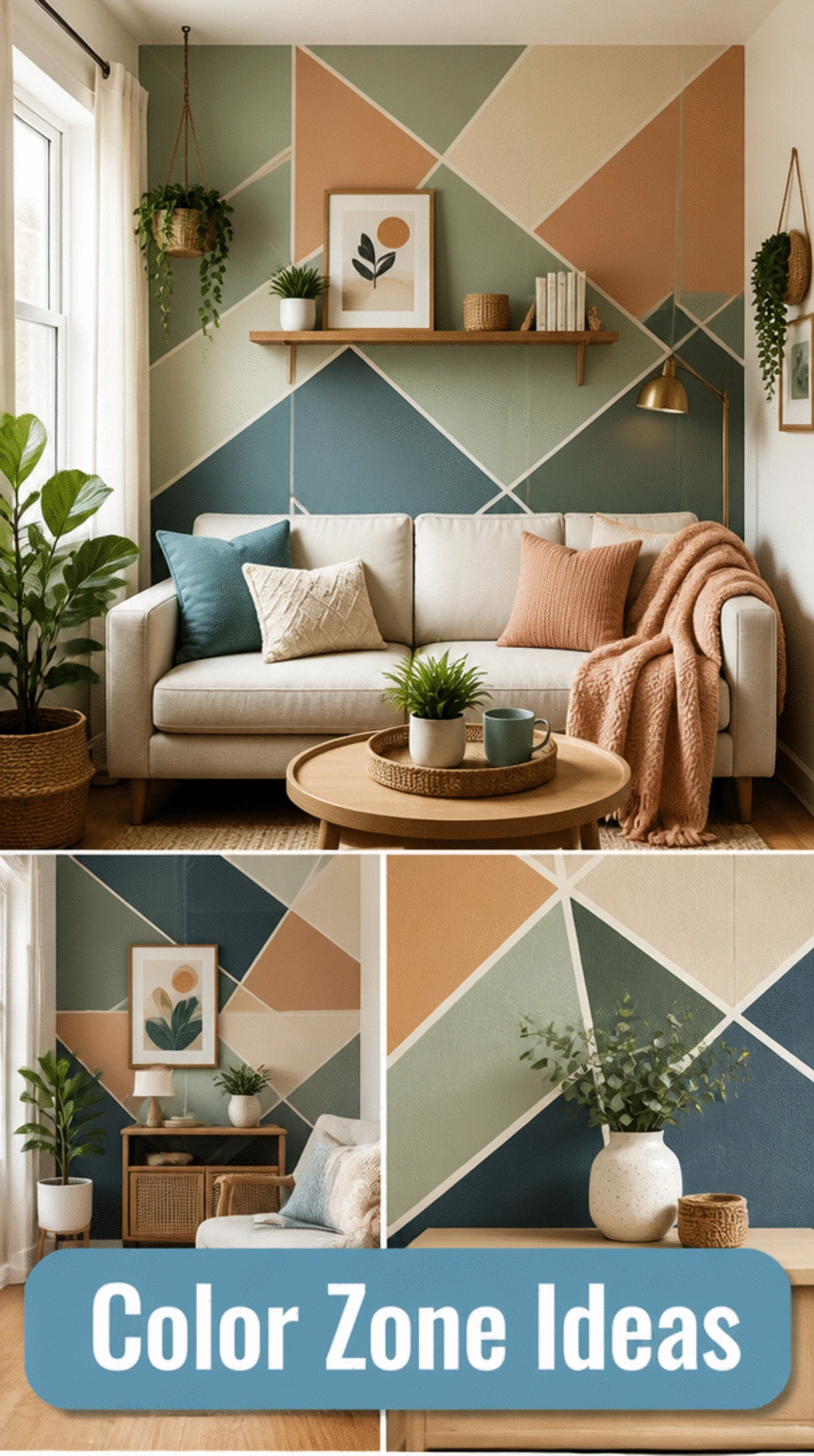
Transform your tiny area with a splash of color for a cozy feel.
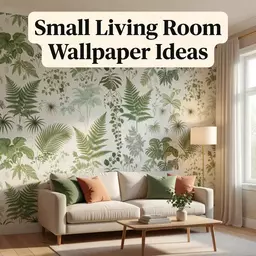
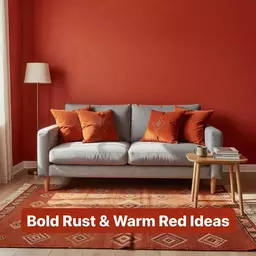
The Impact of a Colour Zone on Your Living Room: An accent wall can effectively provide a visual anchor for your seating area. Using the right color can create a sense of depth and warmth, making your small space feel more inviting. Choose hues that complement your overall decor to enhance the area without overwhelming it.
Where Most People Get Stuck: Many homeowners overlook the transformative power of paint or wallpaper. They often stick to neutral colors, thinking they’ll make the room feel larger. However, a well-chosen accent wall can provide both definition and vibrancy, drawing attention to your cozy seating area and making it feel like a distinct zone.
- ★Consider peel-and-stick wallpaper for an easy, temporary color change.
- ★Use colors like soft blues or greens to promote calm and relaxation.
- ★Avoid dark colors in small spaces; they can make the area feel cramped.
⭐ Top Products for Accent Wall Decor
Marble Peel and Stick Wallpaper
★★★★☆
Our Score: 4.0/5
Transform your space with this elegant marble wallpaper, adding sophistication effortlessly.
View on Amazon →✨ Editor's Pick
Geometric Peel and Stick Wallpaper
★★★★½
Our Score: 4.5/5
This stylish geometric wallpaper easily updates your space with modern flair.
View on Amazon →Vintage Floral Wallpaper Peel and Stick
★★★★☆
Our Score: 4.0/5
Infuse your space with character using this charming vintage floral wallpaper.
View on Amazon →💡 Simple Ways to Apply It:
- Choose an accent color: Select a shade that complements your existing decor for harmony.
- Consider peel-and-stick options: They allow for easy updates and are great for renters.
- Test colors with samples: Paint patches on the wall to see how they look in different lighting.
Living Room Freestanding Screen Divider That Creates Privacy in a Small Open-Plan Space
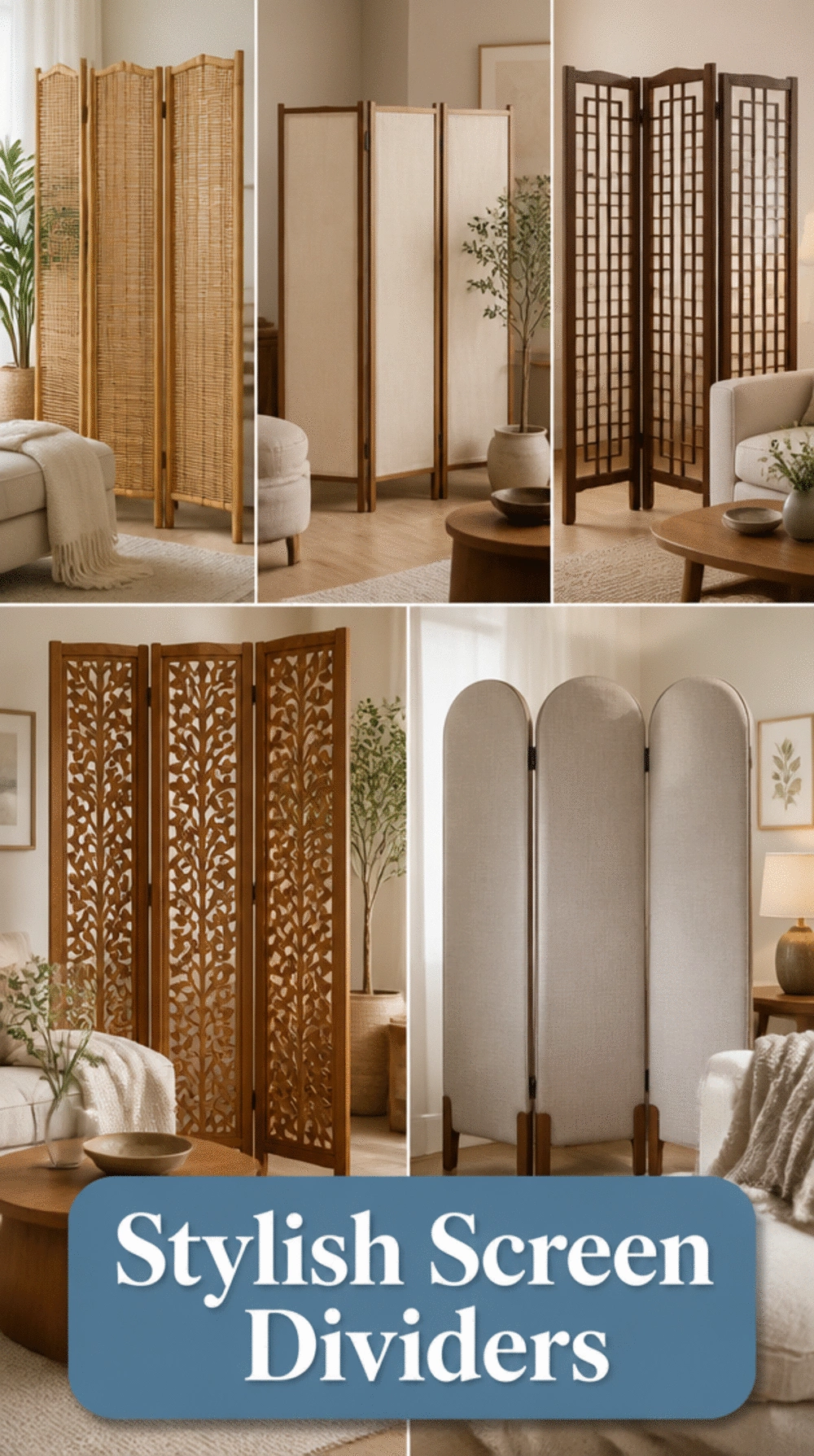
Enhance your living space's privacy effortlessly with stylish dividers.
Understanding Freestanding Screen Dividers: Freestanding screens not only provide a functional barrier in open-concept spaces but also enhance the aesthetic appeal. They allow you to create cozy nooks for relaxation or work without making permanent changes to your layout. Choose styles that match your decor for a cohesive look.
Where Most People Get Stuck: Many overlook the potential of screens because they think of them only as temporary solutions. However, a well-placed screen can transform a cluttered living area into a serene retreat, like a cozy reading corner or a private workspace. People often miss this simple yet effective design strategy.
- ★Opt for screens that match your living room décor to maintain a unified aesthetic.
- ★If you need flexibility, consider a bamboo bead curtain for a decorative yet functional divider.
- ★Ensure your divider is appropriately sized for the space to avoid overwhelming the room.
⭐ Recommended for Privacy Screen Dividers
Frameless Shower Panel
★★★★☆
Our Score: 4.0/5
This frameless shower panel offers a modern aesthetic while providing practical separation in open areas.
View on Amazon →Frameless Shower Door
★★★★☆
Our Score: 4.0/5
This frameless shower door provides a seamless look while enhancing privacy and style in open spaces.
View on Amazon →✨ Editor's Pick
Natural Bamboo Beaded Curtains
★★★★½
Our Score: 4.5/5
These bamboo beaded curtains create a decorative divide while maintaining an open, airy feel in your space.
View on Amazon →💡 Quick Tips:
- Choose a divider: Select a screen that complements your existing décor for a cohesive look.
- Placement matters: Position your screen to create defined areas without blocking natural light.
- Consider function: Use screens to create privacy while maintaining an open and airy feel in your space.
How a Single Area Rug Makes a Small Open-Concept Living Room Feel Like a Separate Room
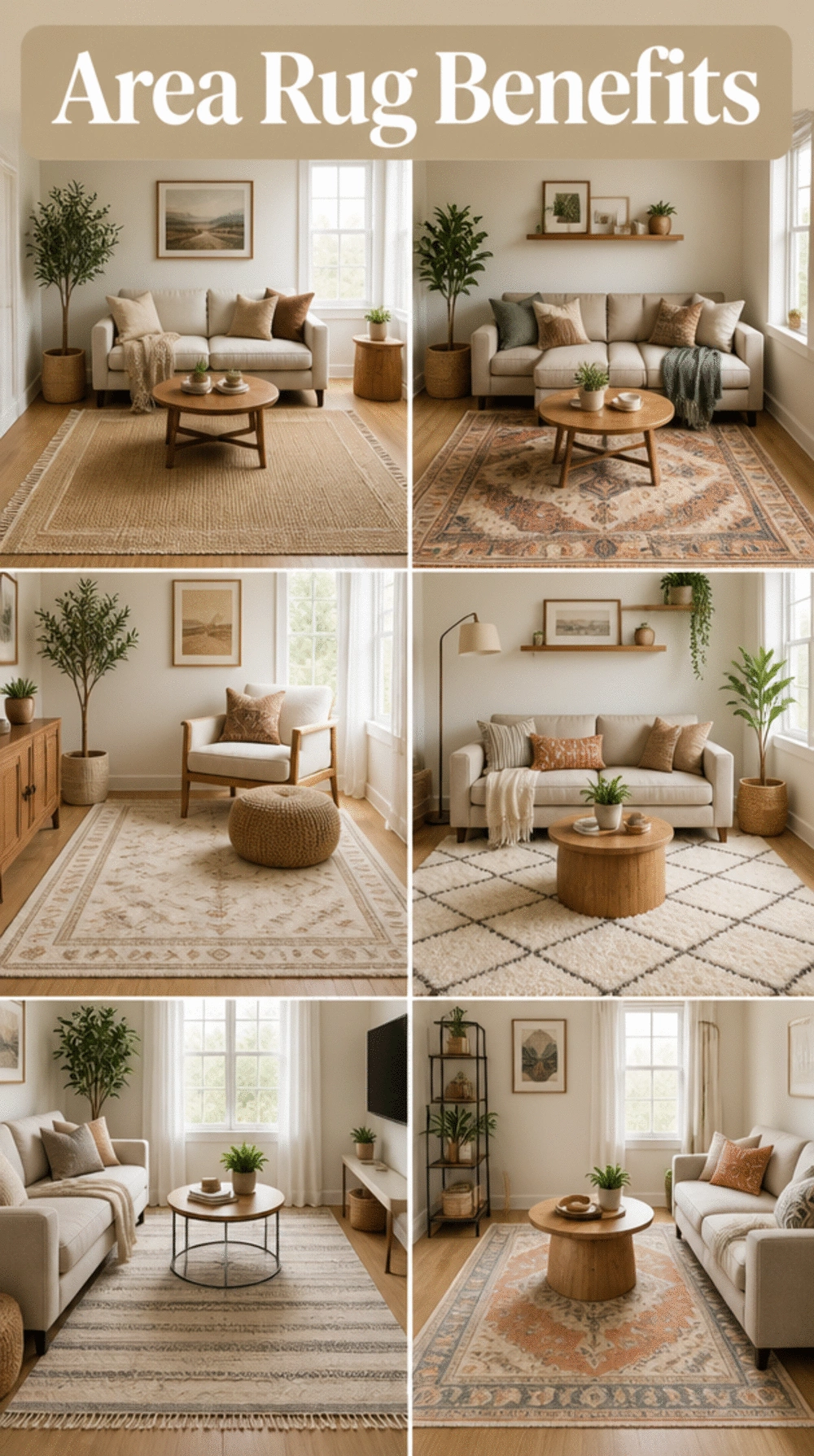
Transform your living space with the right area rug.
Understanding How a Rug Defines Your Space: A thoughtfully placed area rug can work wonders in an open-concept living room. It acts as a visual anchor, creating a cozy seating zone that feels distinct from the rest of the space. This not only enhances comfort but also psychologically encourages a sense of separation in your home.
Where Most People Get Stuck: Many overlook the importance of rug size and placement. It's easy to fall into the trap of choosing a rug that's too small, which can make a space feel choppy and uninviting. Instead, aim for a rug that extends under your furniture, helping to visually tie the area together and make it feel more cohesive.
- ★Select a rug that complements your existing decor for a harmonious look.
- ★Consider textures and colors that resonate with your style while providing warmth.
- ★Avoid rugs that are too small; they should ideally extend beyond the front legs of your furniture.
⭐ Best Rugs for Open-Concept Living Rooms
✨ Editor's Pick
Fluffy Shag Area Rug 5x7
★★★★½
Our Score: 4.5/5
This plush rug enhances comfort and visually defines spaces in your living room.
View on Amazon →Washable 8x10 Area Rug
★★★★☆
Our Score: 4.0/5
Ideal for busy homes, this machine-washable rug ensures easy maintenance without compromising style.
View on Amazon →Vintage Dark Green Living Room Rug
★★★★☆
Our Score: 4.0/5
This vintage design enhances the decor while effectively separating spaces in your living area.
View on Amazon →🚀 Quick Tips:
- Choose the Right Size: Ensure your rug extends under furniture legs for a cohesive look.
- Select a Durable Material: Opt for rugs that withstand daily wear, especially with kids or pets.
- Pick Complementary Colors: Choose hues that tie in with your existing decor for a harmonious feel.
You now have seven practical ways to enhance your open-concept living space. Start with what feels manageable and take your time in implementing these strategies, allowing your space to evolve naturally.
Your home can truly reflect your style and comfort with each thoughtful adjustment you make. Remember, small, intentional changes add up to create a cozy and welcoming haven that suits your lifestyle beautifully.